
 01 LOCAL TABLE
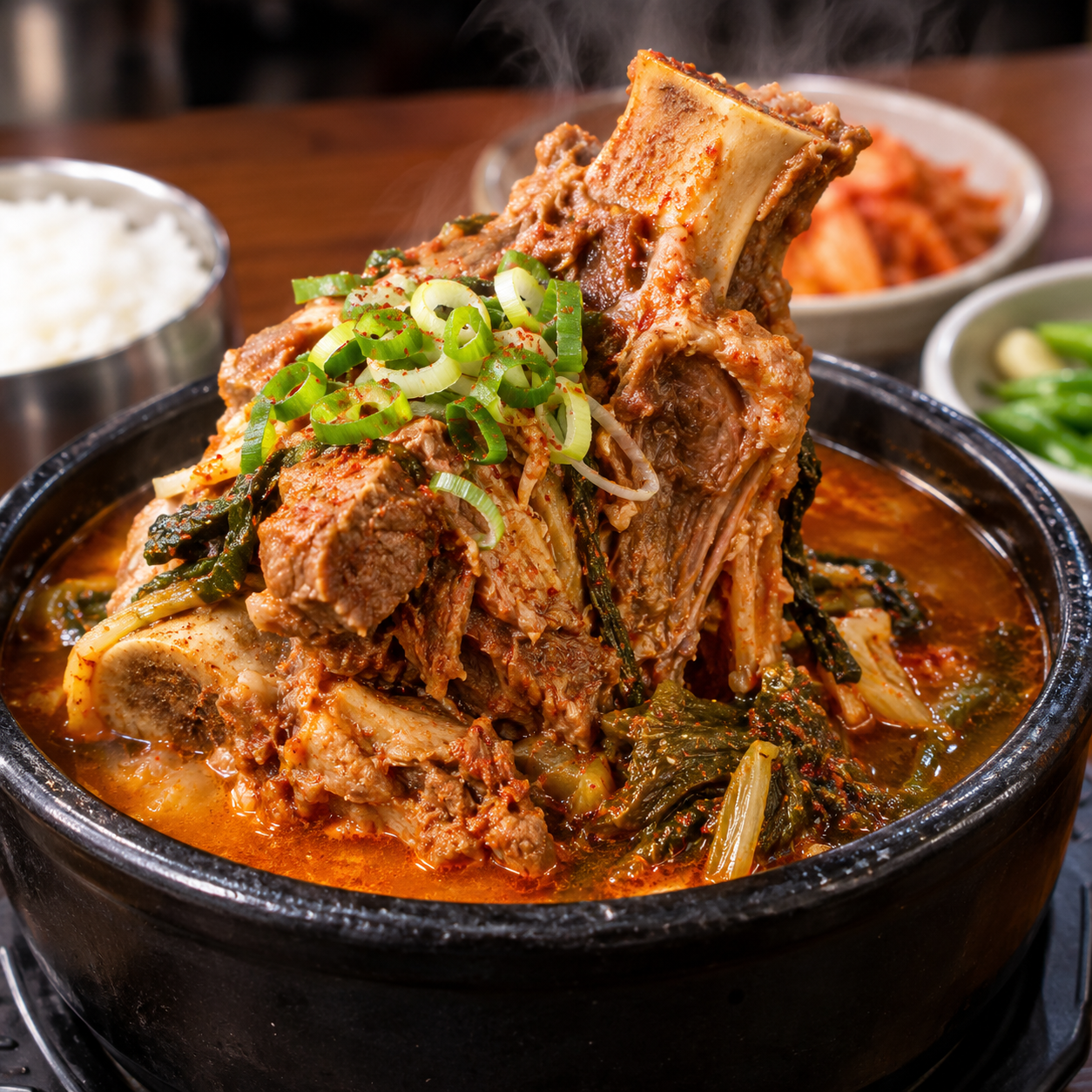
Somunnan Seongsu Gamjatang
A long-running Seongsu institution known for hearty Korean pork bone stew. Open around the clock, it has become one of the neighborhood's best-known spots for a comforting bowl of gamjatang.
View detailsSEOUL FOOD GUIDE
Choose the part of Seoul you are visiting. Each area leads straight to restaurant guides—no extra geographic layers.
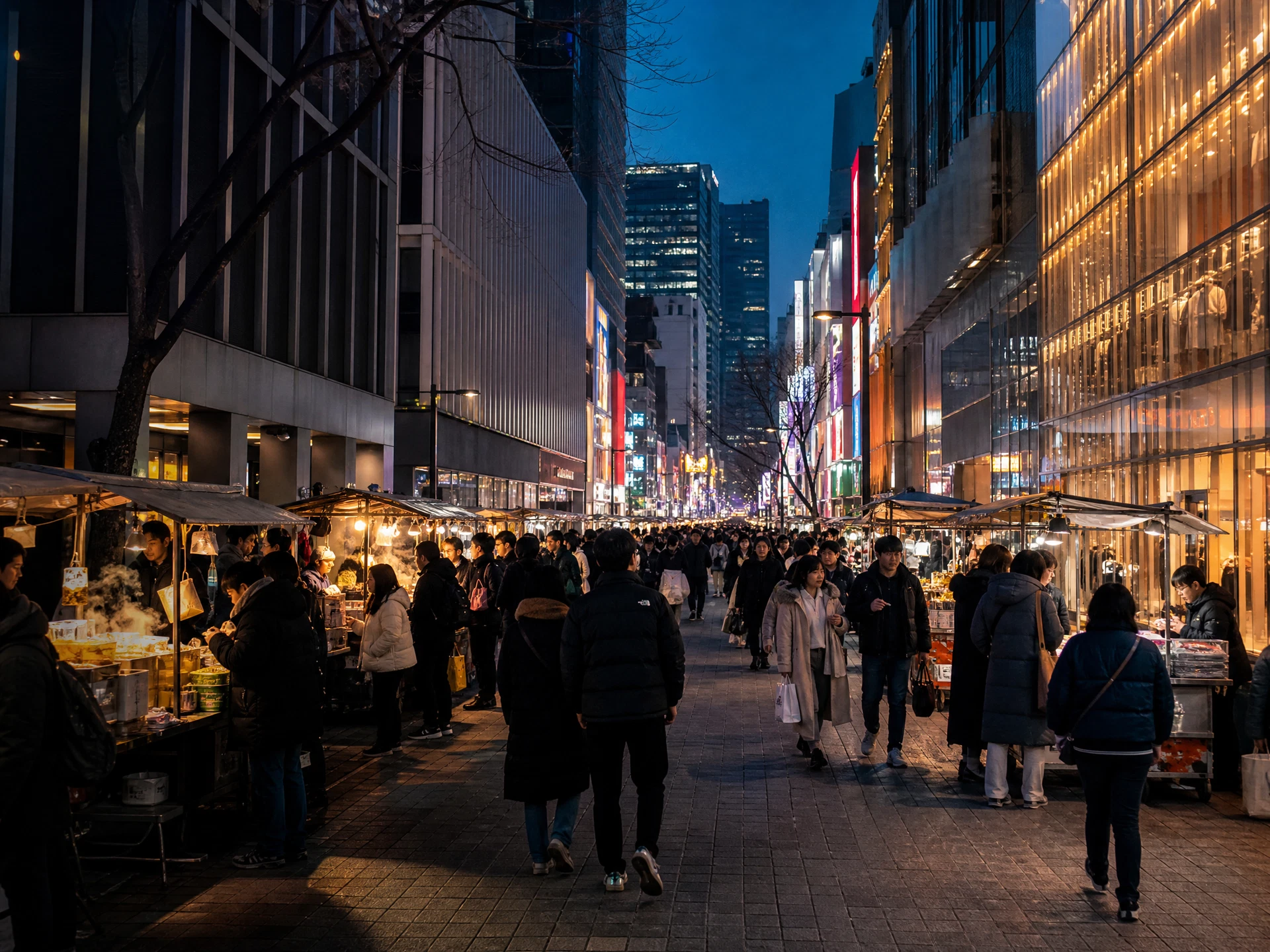 01 AREA TABLEMyeongdongCentral stops for easy first meals and late shopping breaks. Restaurants in this area
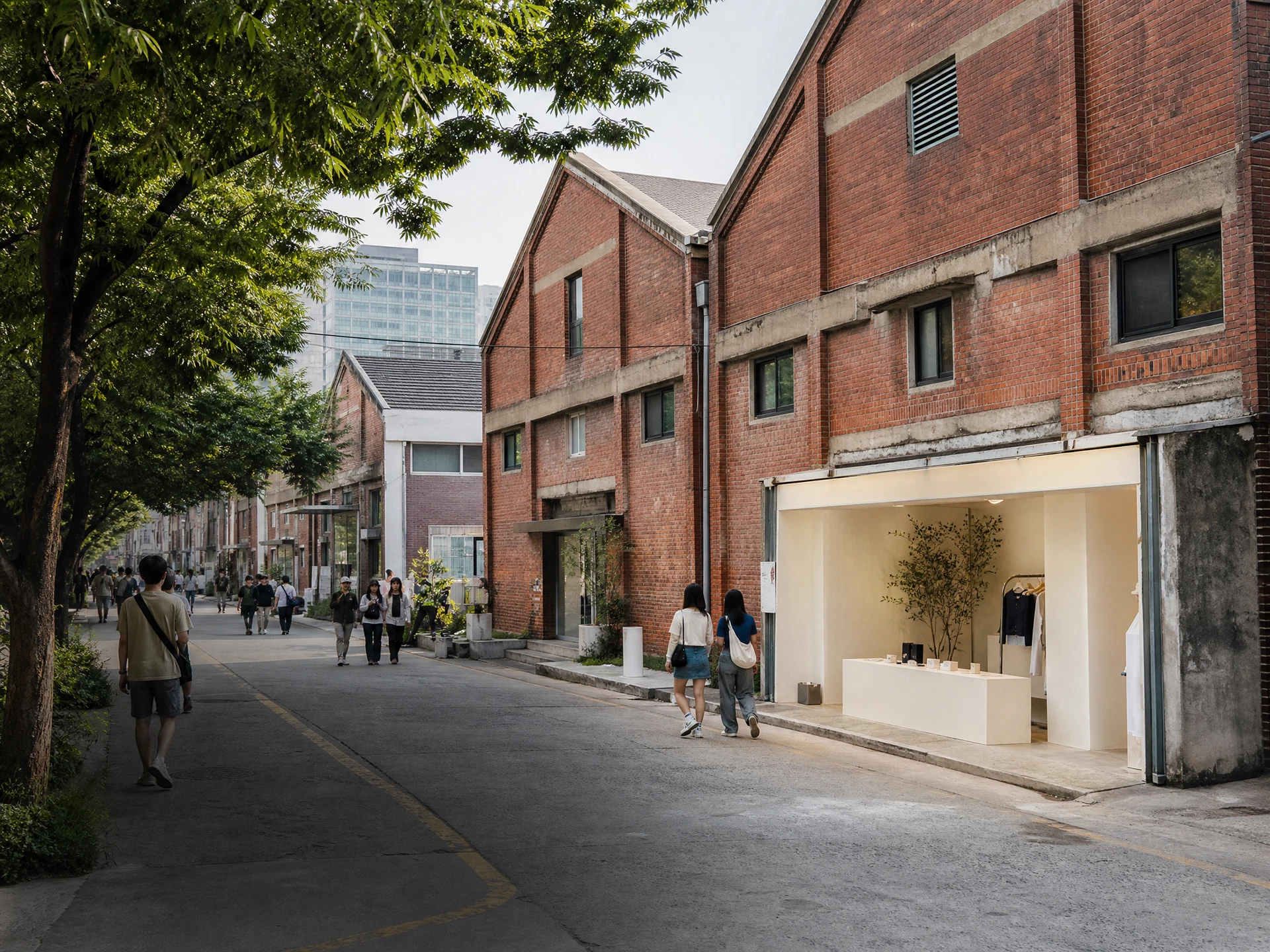 02 AREA TABLESeongsuCreative streets for a thoughtful meal between independent shops. Restaurants in this area
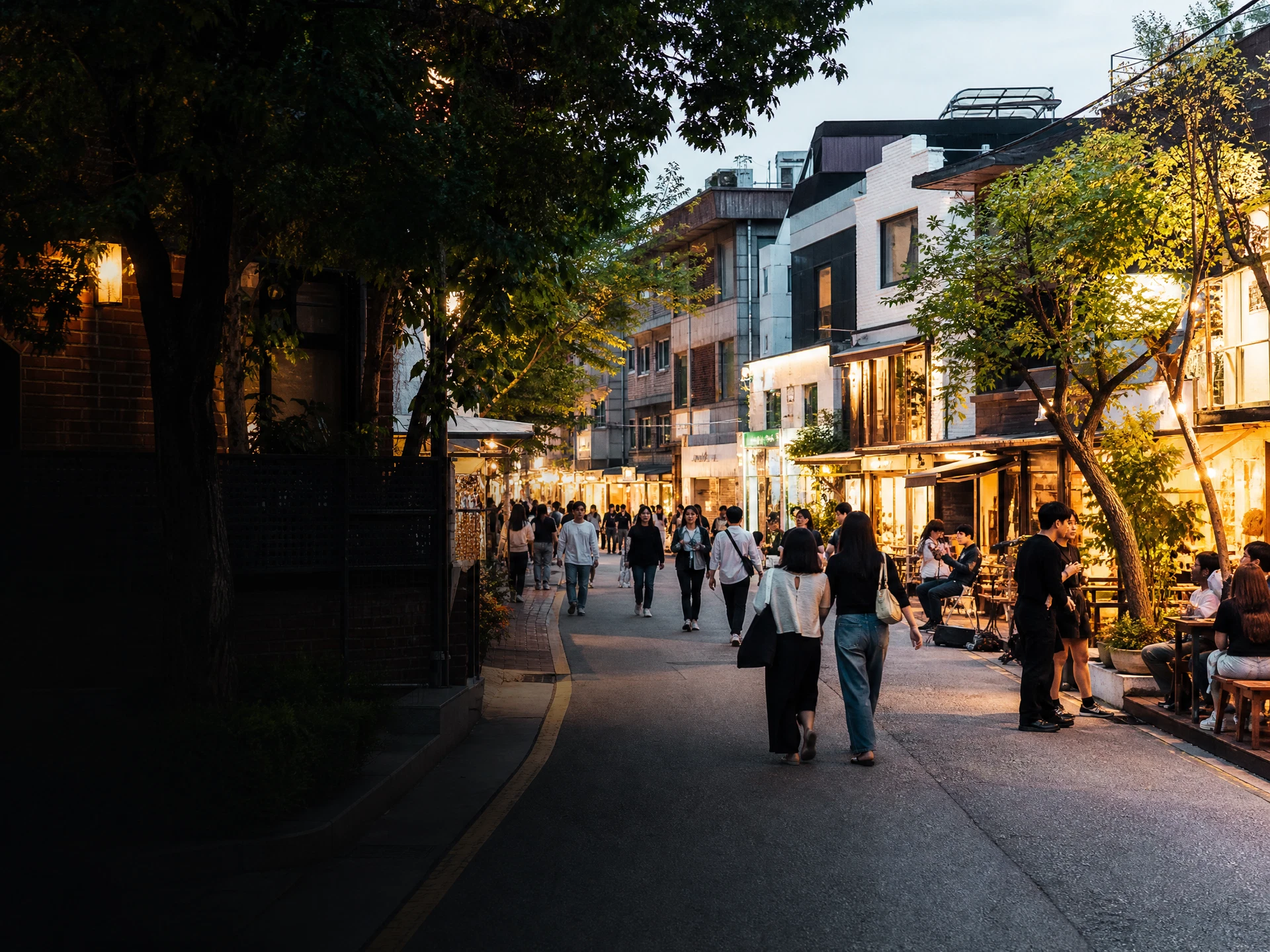 03 AREA TABLEHongdae & YeonnamLively cafés, casual dinners, and a young food scene. Restaurants in this area
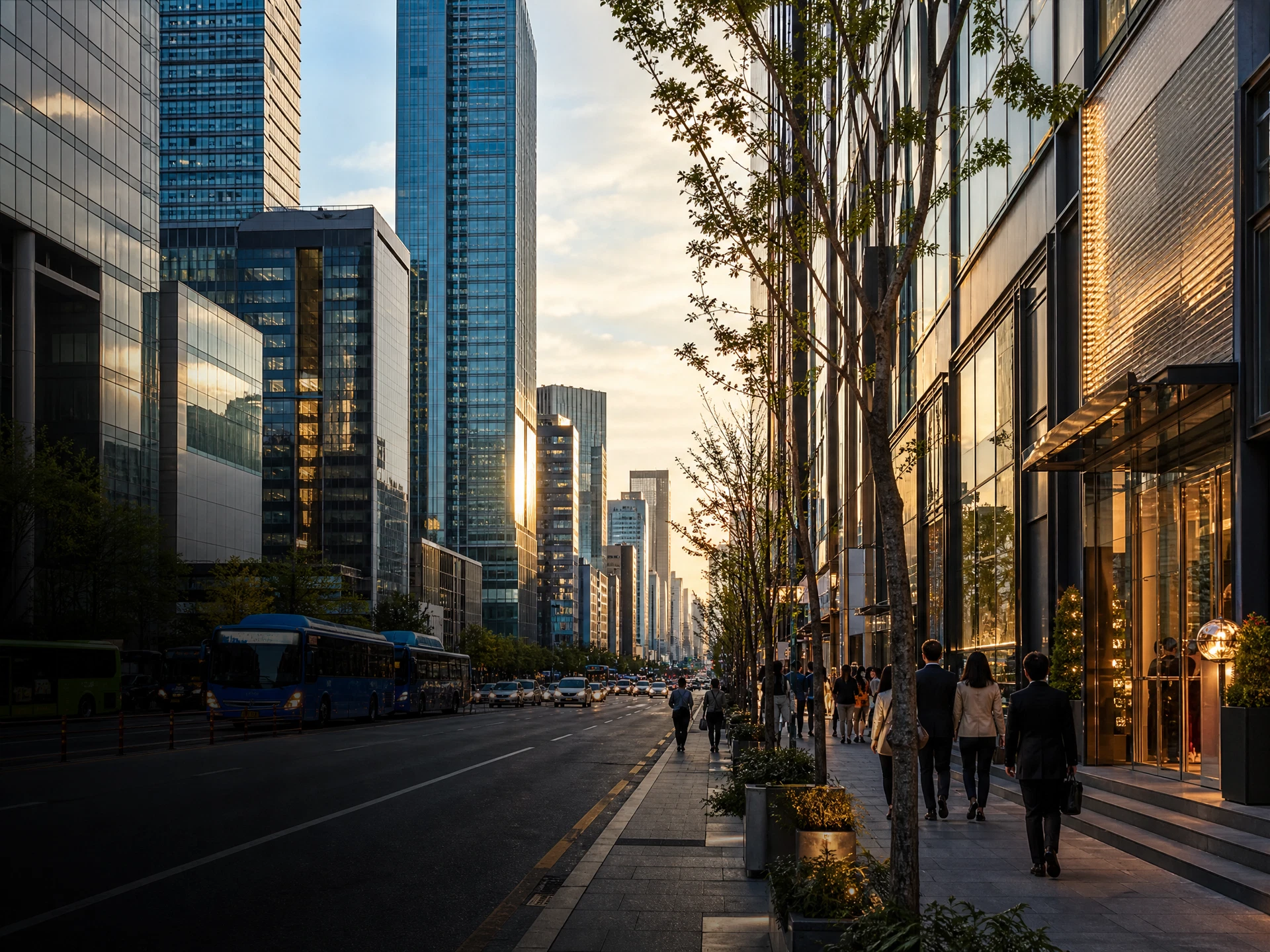 04 AREA TABLEGangnamPolished dining choices that fit a busy day south of the river. Restaurants in this area
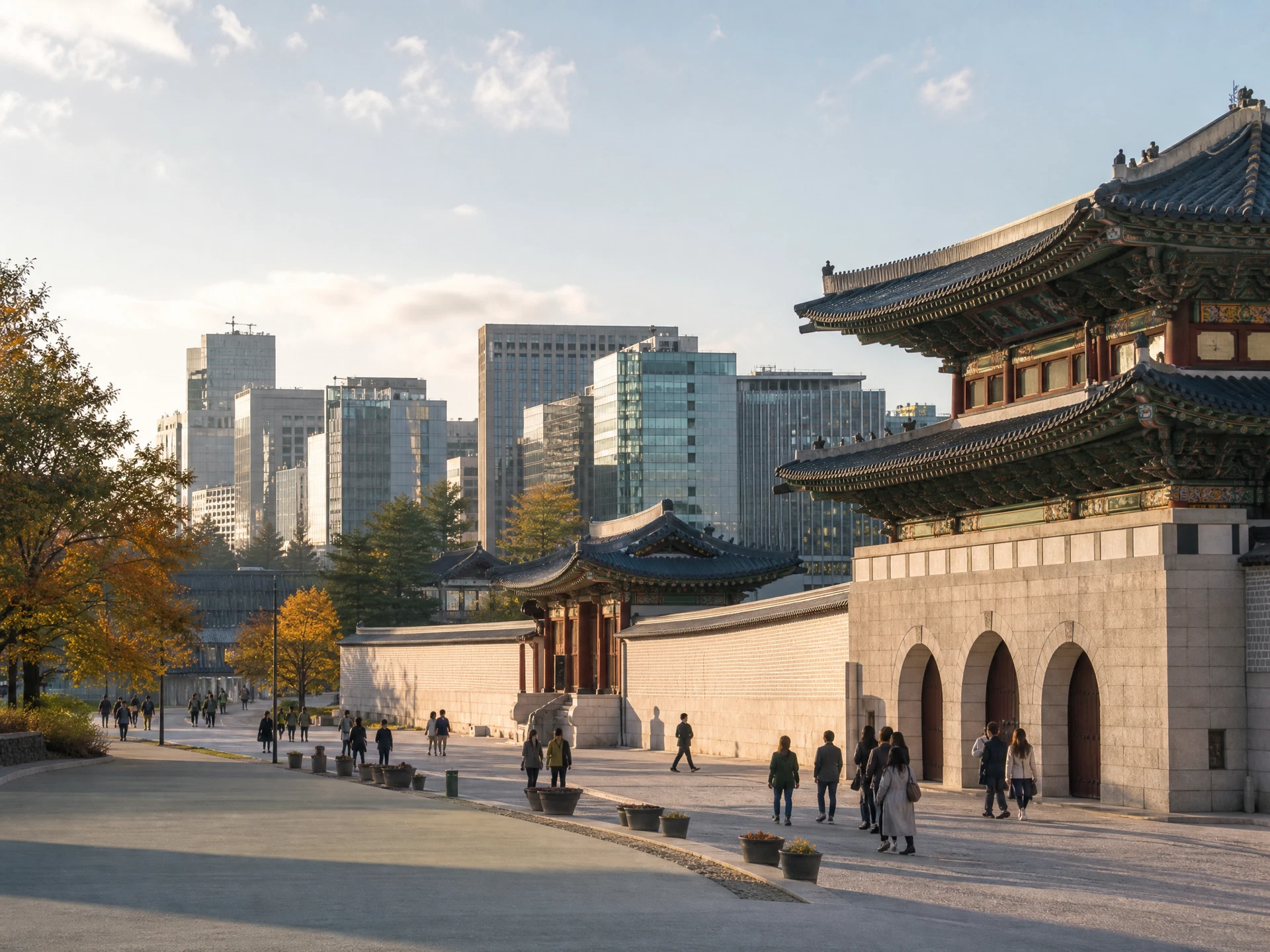 05 AREA TABLEJongno & GwanghwamunClassic streets, palace walks, and warm, timeless tables. Restaurants in this area
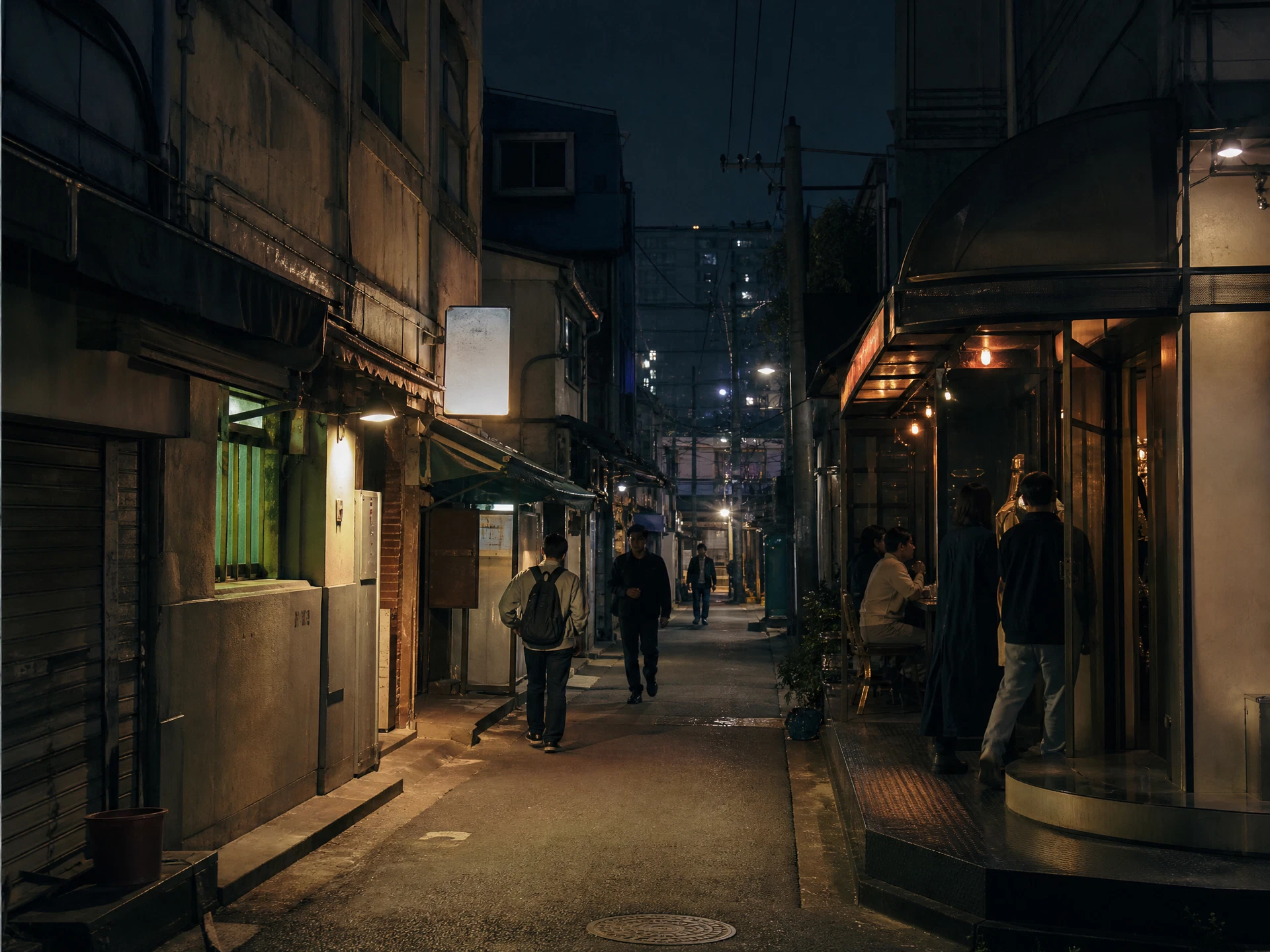 06 AREA TABLEEuljiro & CheonggyecheonOld lanes, small plates, and atmospheric evening discoveries. Restaurants in this area
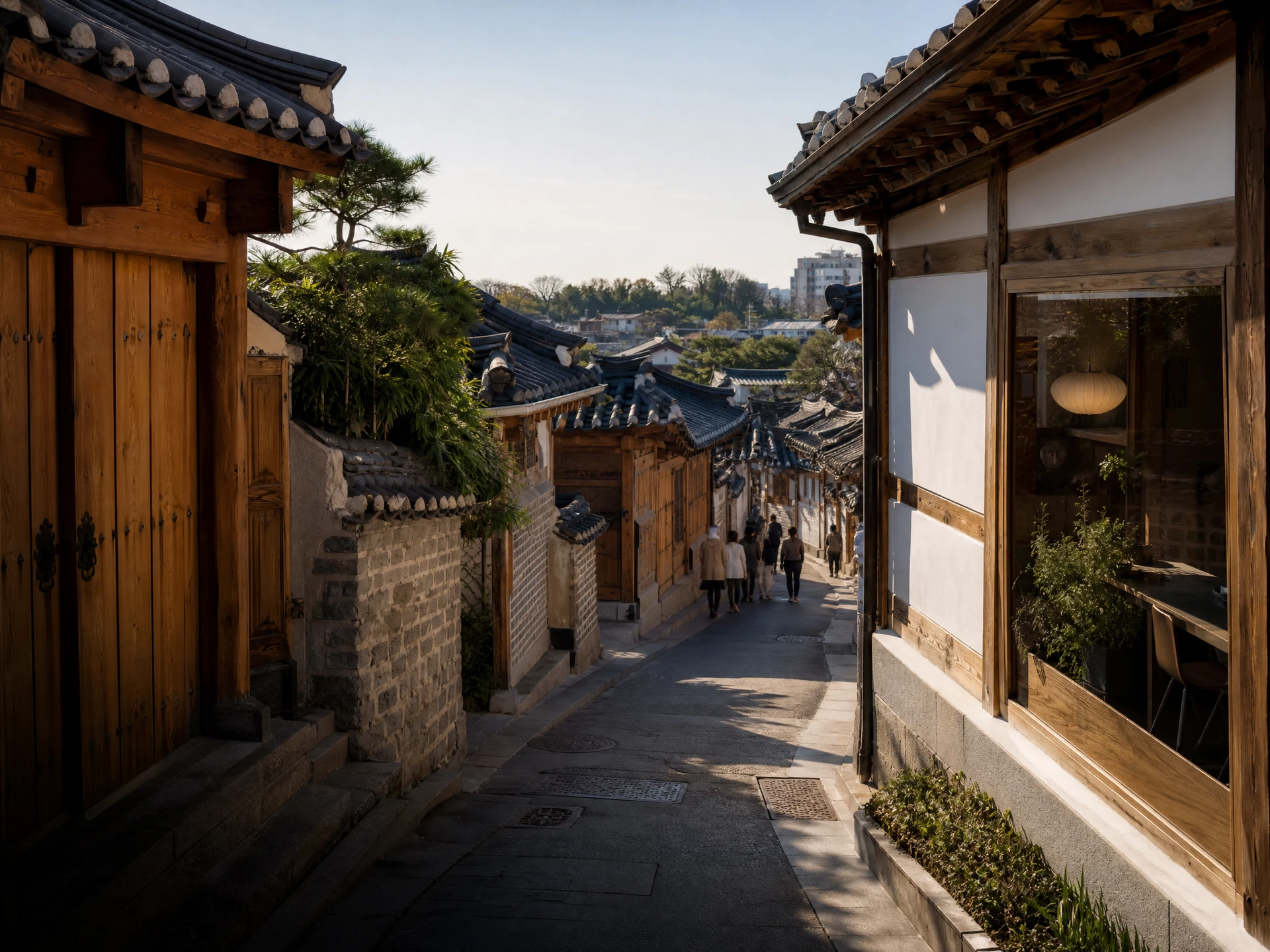 07 AREA TABLEBukchon & AngukQuiet corners for a slower lunch between hanok-lined streets. Restaurants in this area
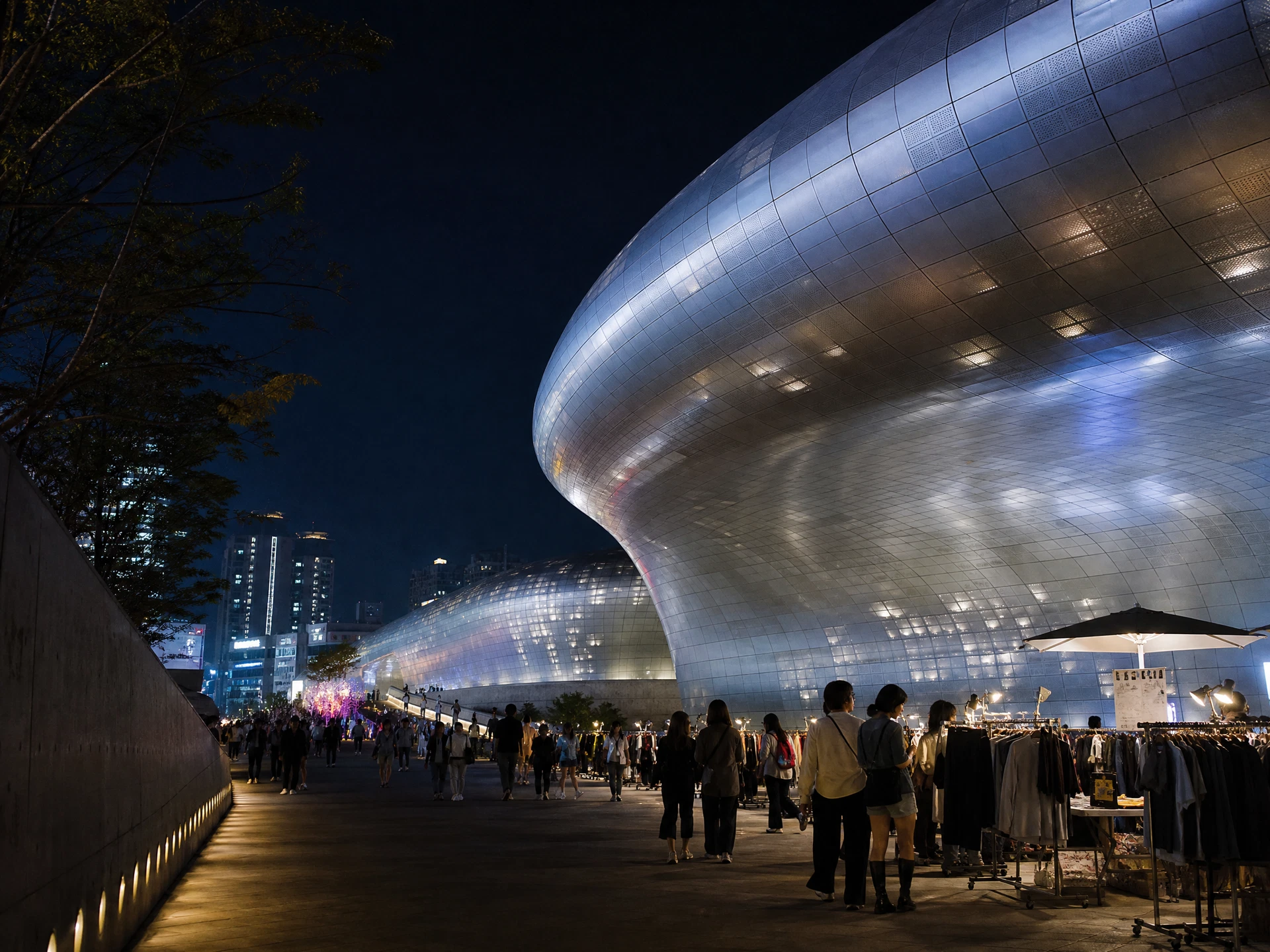 08 AREA TABLEDongdaemunA practical place to eat well after a long day of wandering. Restaurants in this area
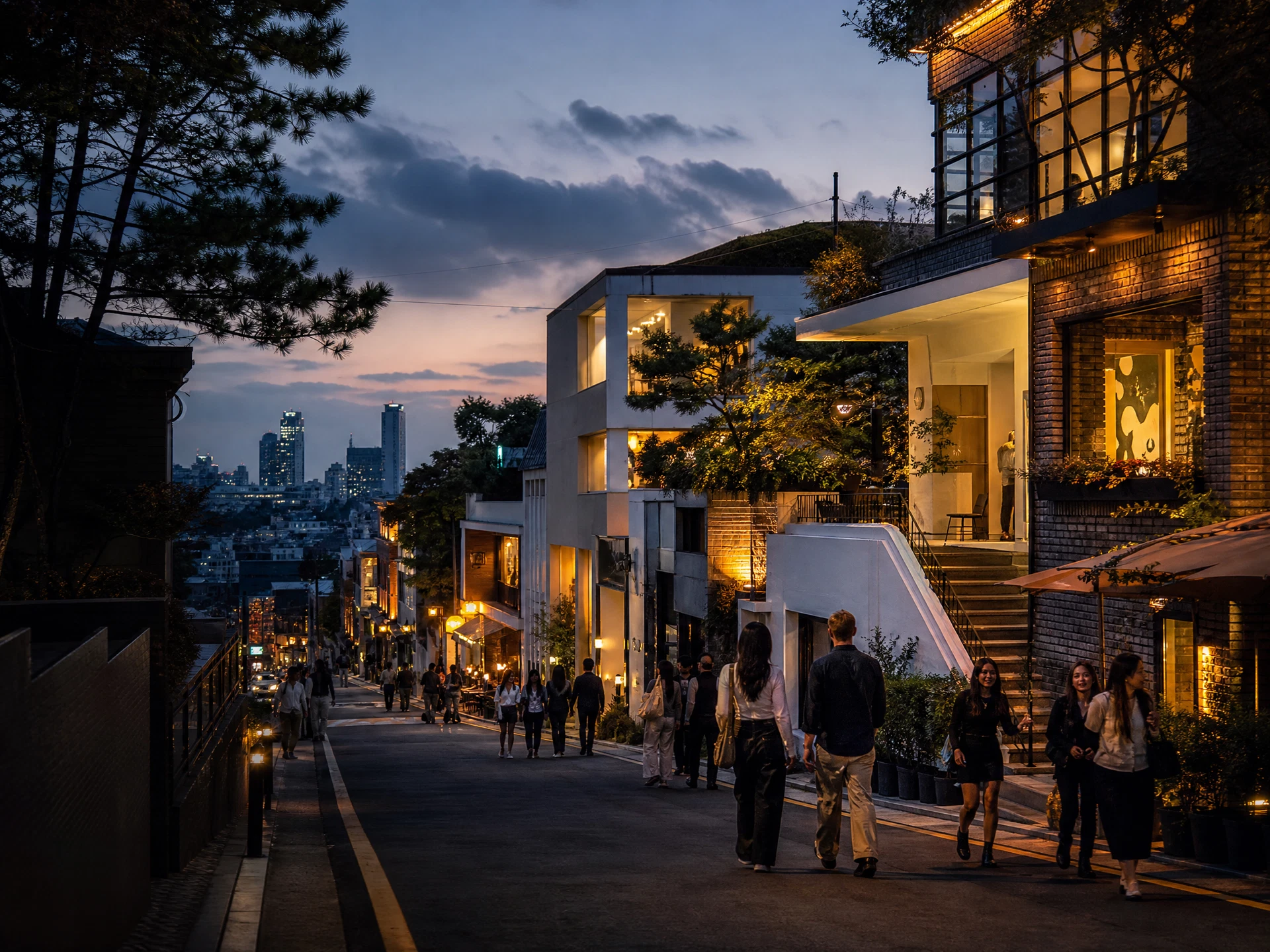 09 AREA TABLEItaewon & HannamA relaxed mix of global flavors and Korean neighborhood tables. Restaurants in this area
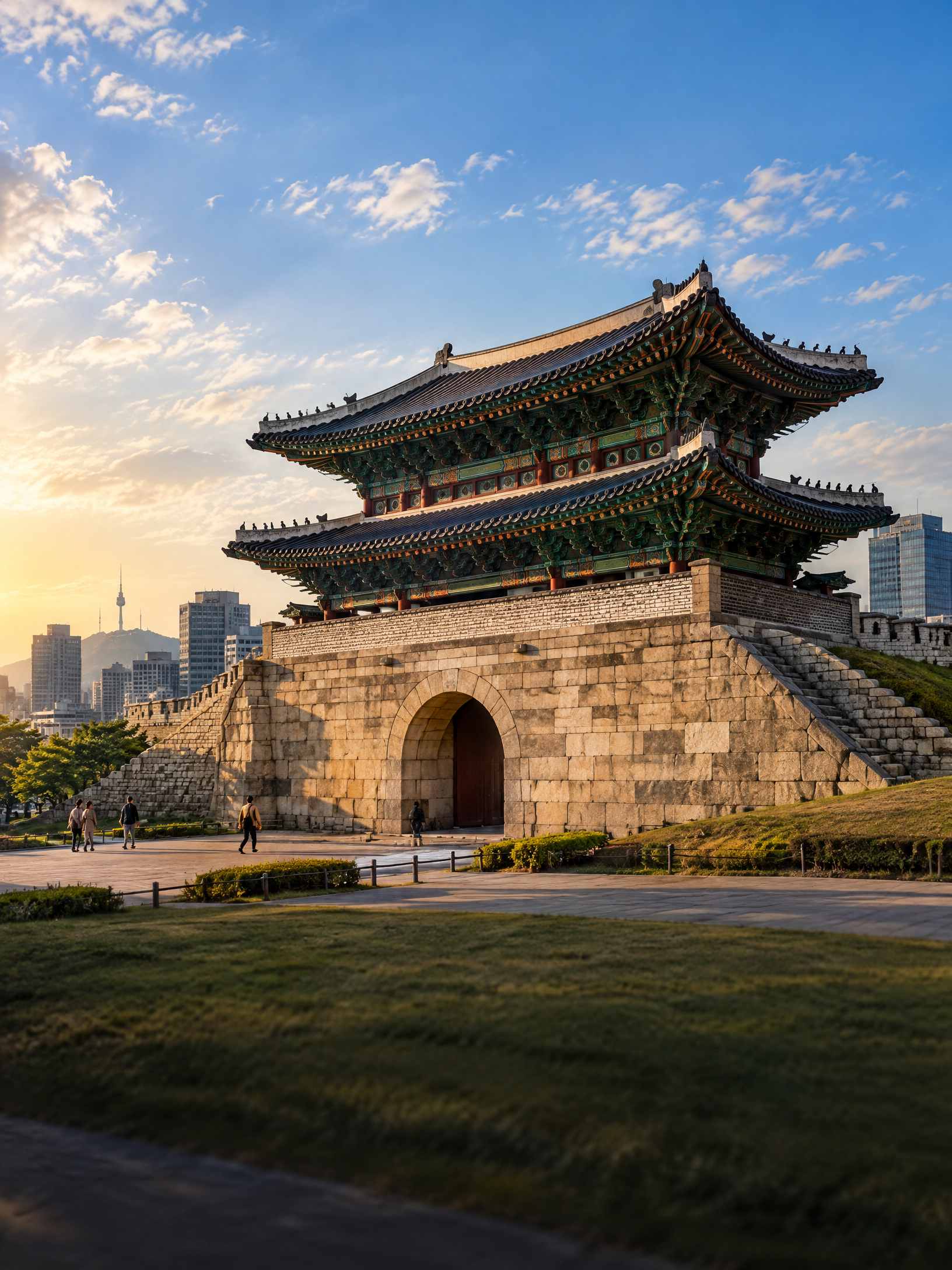 10 AREA TABLENamdaemunMarket energy and dependable local meals in the heart of central Seoul. Restaurants in this area
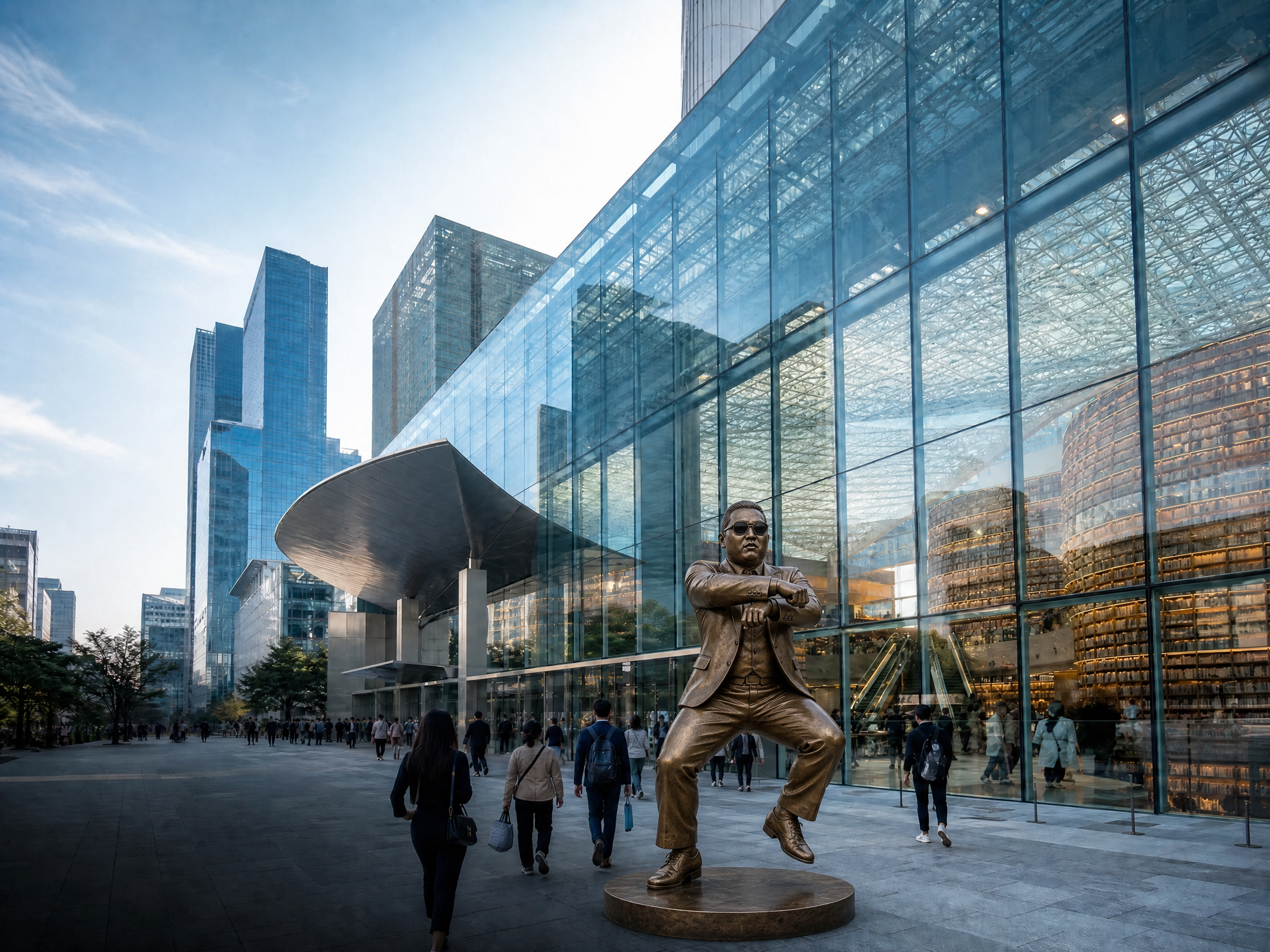 11 AREA TABLECOEX & SamseongEasy meal decisions close to exhibitions, hotels, and shopping. Restaurants in this area
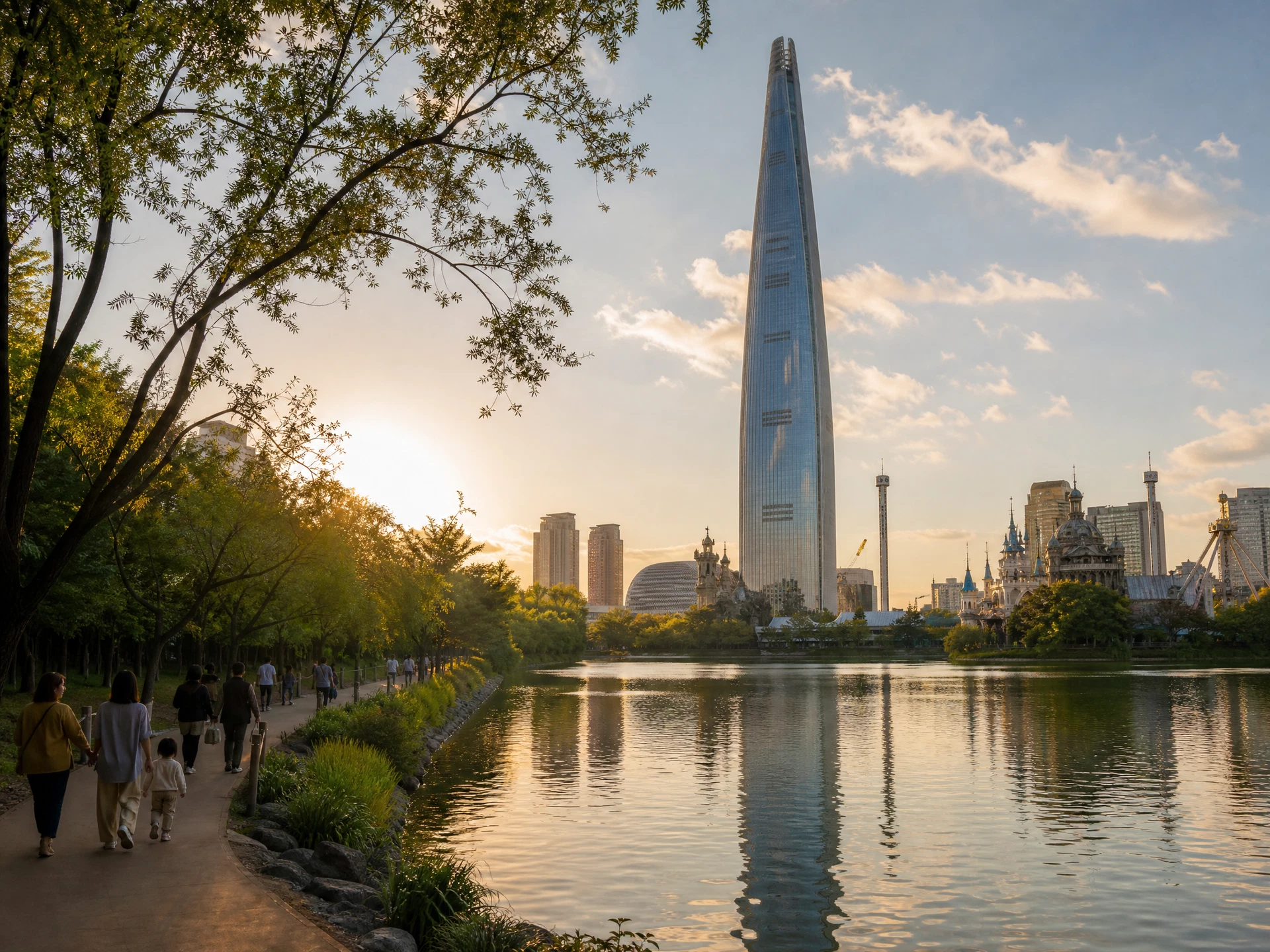 12 AREA TABLEJamsilA straightforward place to pause for a meal near the river. Restaurants in this area
 13 AREA TABLEYongsanA connected area where markets and new tables meet. Restaurants in this area
 14 AREA TABLEApgujeong & CheongdamStylish streets and carefully considered lunch or dinner stops. Restaurants in this area
 15 AREA TABLEOther AreasRestaurant guides for Seoul neighborhoods beyond the area cards above. Restaurants in this area
SEOUL / SEONGSU
These restaurant guides belong to the area you selected. Choose one to see what to order and how to get there.
01 LOCAL TABLEA long-running Seongsu institution known for hearty Korean pork bone stew. Open around the clock, it has become one of the neighborhood's best-known spots for a comforting bowl of gamjatang.
View details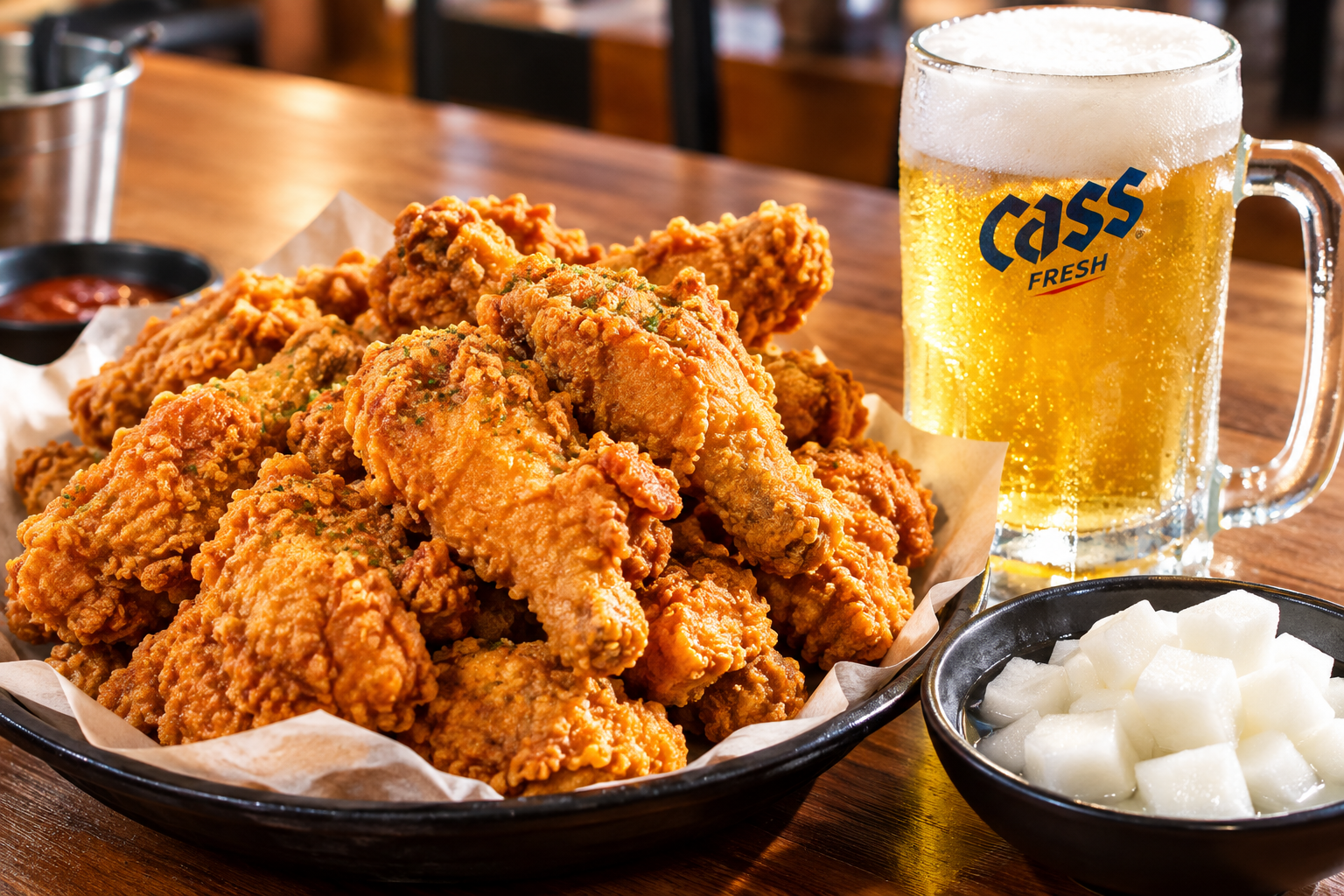 02 LOCAL TABLE
Kuken Chicken Hof is a small, old-school neighborhood chicken pub in Seongsu-dong, located between Seongsu Station and Seoul Forest. Rather than a polished modern chicken franchise, it has the feel of a local hof where nearby residents and office workers come for fried chicken and beer. The restaurant also has outdoor seating in good weather, giving it a casual Korean 야장 (outdoor drinking) atmosphere. The main menu is straightforward and affordable: whole fried chicken is currently listed at ₩14,000, while half-and-a-half-sized portions and seasoned, garlic-soy and green-onion chicken are around ₩19,000–₩20,000. Golbaengi somyeon is another notable order, working particularly well as a shared drinking snack alongside chicken and beer.
View details03 LOCAL TABLEPuradak Chicken is a Korean fried-chicken franchise positioned around a more premium-looking presentation and menu than conventional chicken chains. The brand uses an oven-fried method, first cooking the chicken in a 210°C oven and then lightly frying it, aiming for a juicy interior and crisp exterior. Its best-known menu is Black Aglio, combining a deep soy-based sauce with garlic. The Seongsu 1-ga branch is close to Seoul Forest and has a relatively comfortable dine-in space for a chicken franchise. Recent visitor information describes roughly 20 seats and a large projection screen, making it suitable for eating in rather than being purely a takeaway/delivery branch. The current listed branch hours are 15:00–22:30 on weekdays and 12:00–22:30 on weekends.
View details04 LOCAL TABLELululala Chicken & Hof is a casual neighborhood chicken pub near Ttukseom Station, about a three-minute walk from Exit 7. Rather than a large franchise-style restaurant, it has the feel of a local Korean hof, with a retro atmosphere, outdoor seating and customers coming for an evening of chicken and beer. The restaurant operates into the late evening and is particularly suited to a casual chimaek stop after exploring Seongsu. The menu is centered on straightforward Korean fried chicken. Fried chicken is ₩17,000, while seasoned chicken, garlic-soy chicken and dakgangjeong are around ₩18,000–₩19,000. Tteokbokki is also available and works particularly well as a shared side with fried chicken.
View details05 LOCAL TABLEMaxkana Chicken Hof is a small, old-style neighborhood chicken pub on Wangsimni-ro 4-gil, close to Ttukseom Station and the older residential-commercial side of Seongsu. Its menu is centered on familiar Korean chicken-shop staples rather than elaborate franchise-style flavors: fried chicken, half-and-half chicken, seasoned chicken, garlic-soy chicken and spicy seasoned chicken. The shop also serves simple drinking foods such as jjapagetti. The restaurant is particularly notable for its old-school atmosphere and relatively straightforward menu. Current listings show fried chicken at ₩20,000, half-and-half at ₩21,000, seasoned and garlic-soy chicken at ₩22,000, and spicy seasoned chicken at ₩23,000. It is open from 4 p.m. until 2 a.m., making it primarily an evening drinking spot.
View details06 LOCAL TABLEBBQ Chicken Seongsu Joongang is a branch of BBQ, one of Korea's large fried-chicken franchise brands. The branch is located on Achasan-ro 15-gil in Seongsu-dong 2-ga, inside the Seongwon Sangteview officetel building. Its menu follows the standard BBQ lineup, centered on Golden Olive Chicken and other familiar fried-chicken variations rather than branch-specific local specialties. The current listed price for Golden Olive Chicken is ₩23,000, while the Golden Olive half-and-half combination is ₩24,000. Additional combinations with fries, cheese balls and other sides are also available.
View details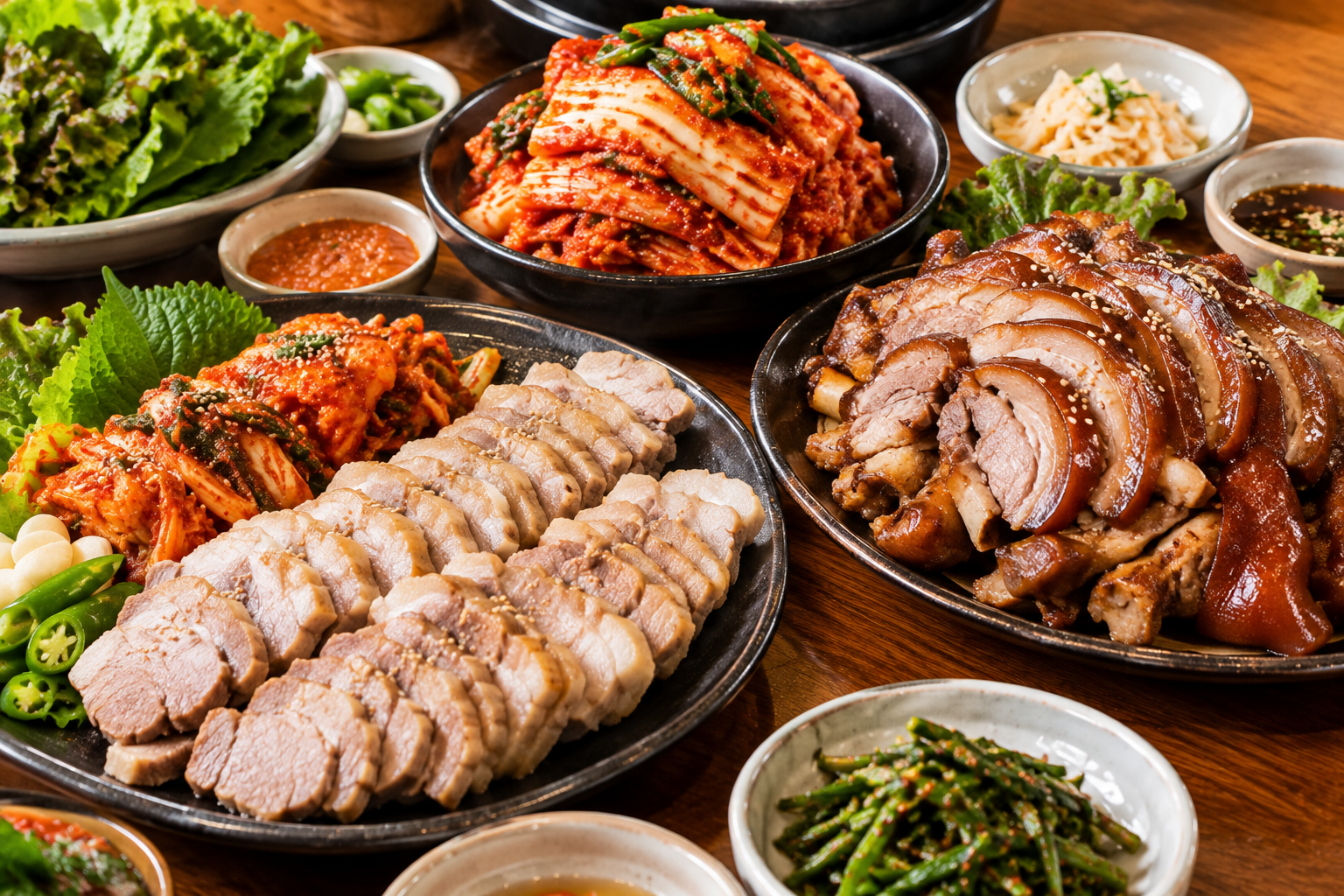 07 LOCAL TABLE
Seongsu Jokbal is a long-running Seongsu restaurant focused on one thing: jokbal, Korean-style braised pig's trotters. The menu is deliberately simple, with three sizes of jokbal and a few drinks rather than a long list of dishes. The pork is served sliced and is known for its tender meat, chewy skin, and savory-sweet seasoning. It is a shared Korean meal rather than a typical one-person dish, so it works particularly well for two or more people. The restaurant is located on Achasan-ro 7-gil, a short walk from Seongsu Station, in an older and relatively compact dining space. Its popularity means that waiting is common, while takeout is also available. For travelers exploring Seongsu's cafés, shops, and converted industrial spaces, Seongsu Jokbal offers a very different side of the neighborhood: a straightforward Korean meal centered around a traditional pork dish.
View details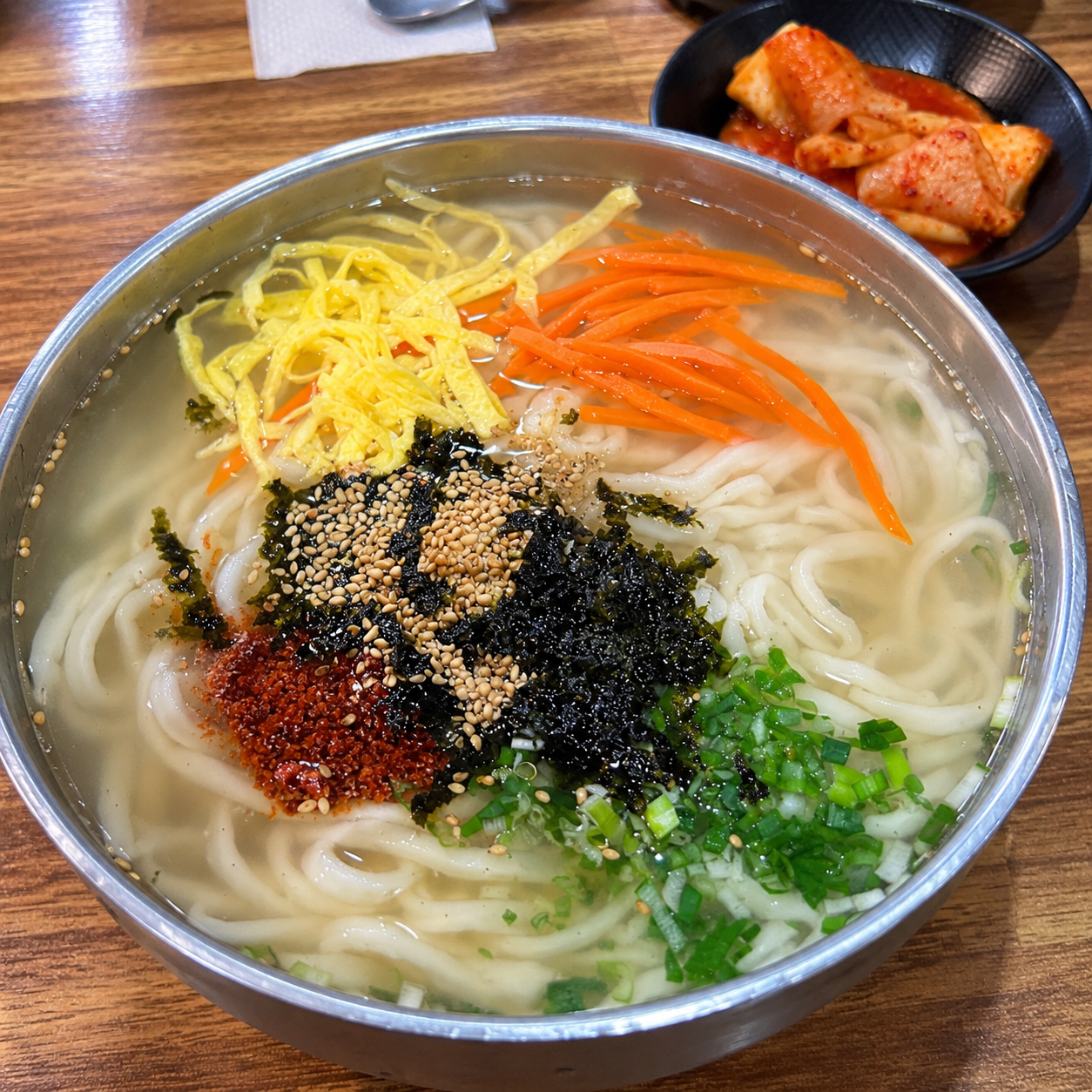 08 LOCAL TABLE
Family Handmade Kalguksu & Bossam is a long-running Korean restaurant near Ttukseom Station in Seongsu, centered around two classic dishes: bossam and handmade kalguksu. Bossam is tender boiled pork served with kimchi and fresh vegetables, while the restaurant's handmade kalguksu comes in a rich, comforting broth with chewy noodles. The menu is relatively simple, making it an easy place for travelers who want to try familiar Korean comfort food without having to navigate a long menu. The restaurant has a distinctly old-school neighborhood atmosphere rather than the polished look of many newer Seongsu restaurants. Its location is convenient for combining a meal with a visit to Seongsu's cafés or Seoul Forest, and Ttukseom Station Exit 1 is only a short walk away. The ₩15,000 bossam set meal is particularly practical for a solo traveler or a light meal, while larger bossam plates work better for sharing.
View details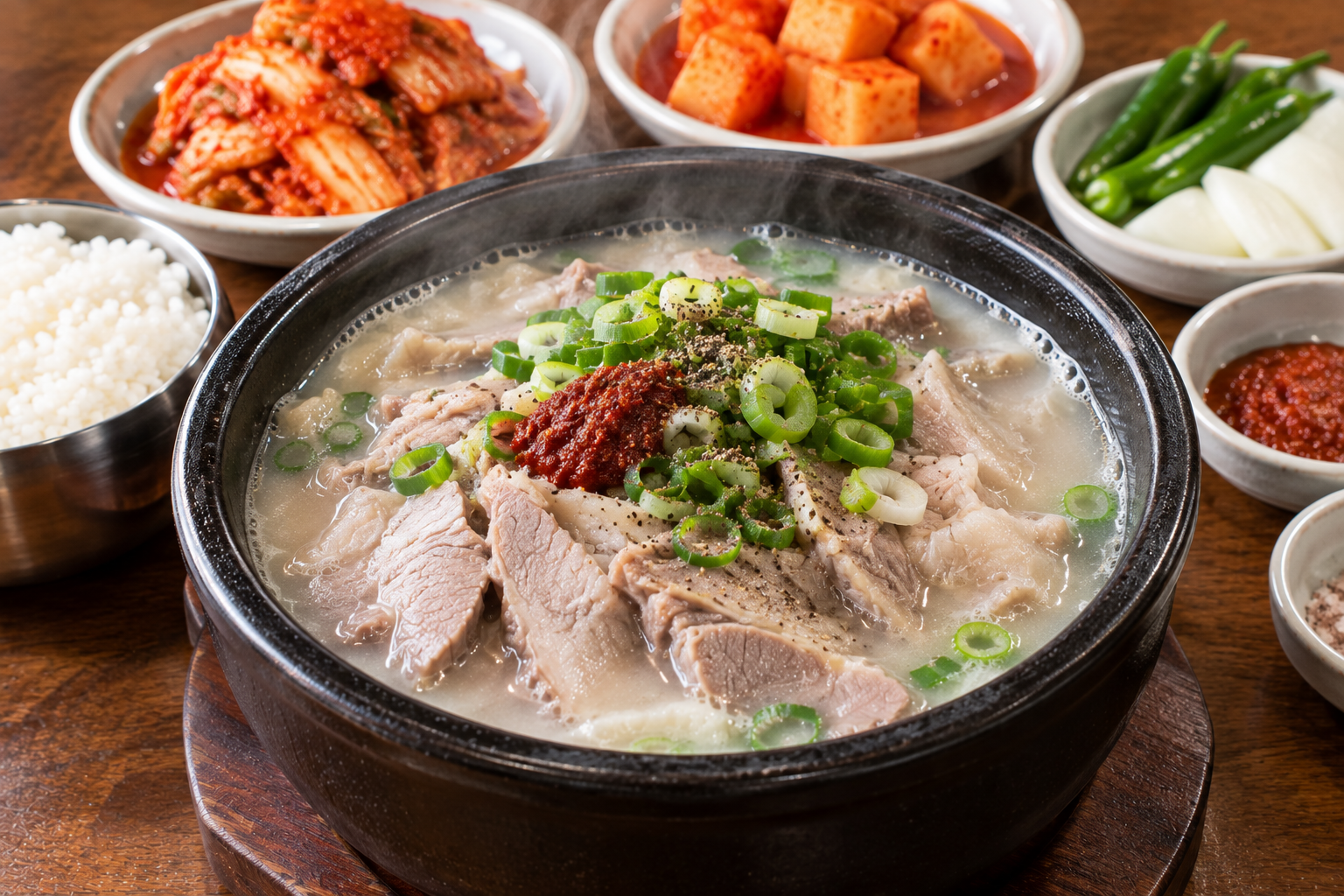 09 LOCAL TABLE
Seongsu Chalsundae is a neighborhood Korean restaurant near Ttukseom Station specializing in sundae-guk, a hearty Korean soup made with Korean blood sausage, pork, and a rich broth. The menu is simple and focused, with regular sundae-guk and a spicier version as the main individual meals. There are also larger dishes such as sulguk and yukhoe for sharing. This is more of a local everyday restaurant than a polished destination restaurant. The area around Wangsimni-ro 14-gil is quieter than Seongsu's busiest café streets, making it a useful option when you want a straightforward Korean soup meal away from the trendier restaurants. The regular sundae-guk is the easiest choice for a first visit, while the spicy version is available if you prefer a stronger, warmer broth.
View details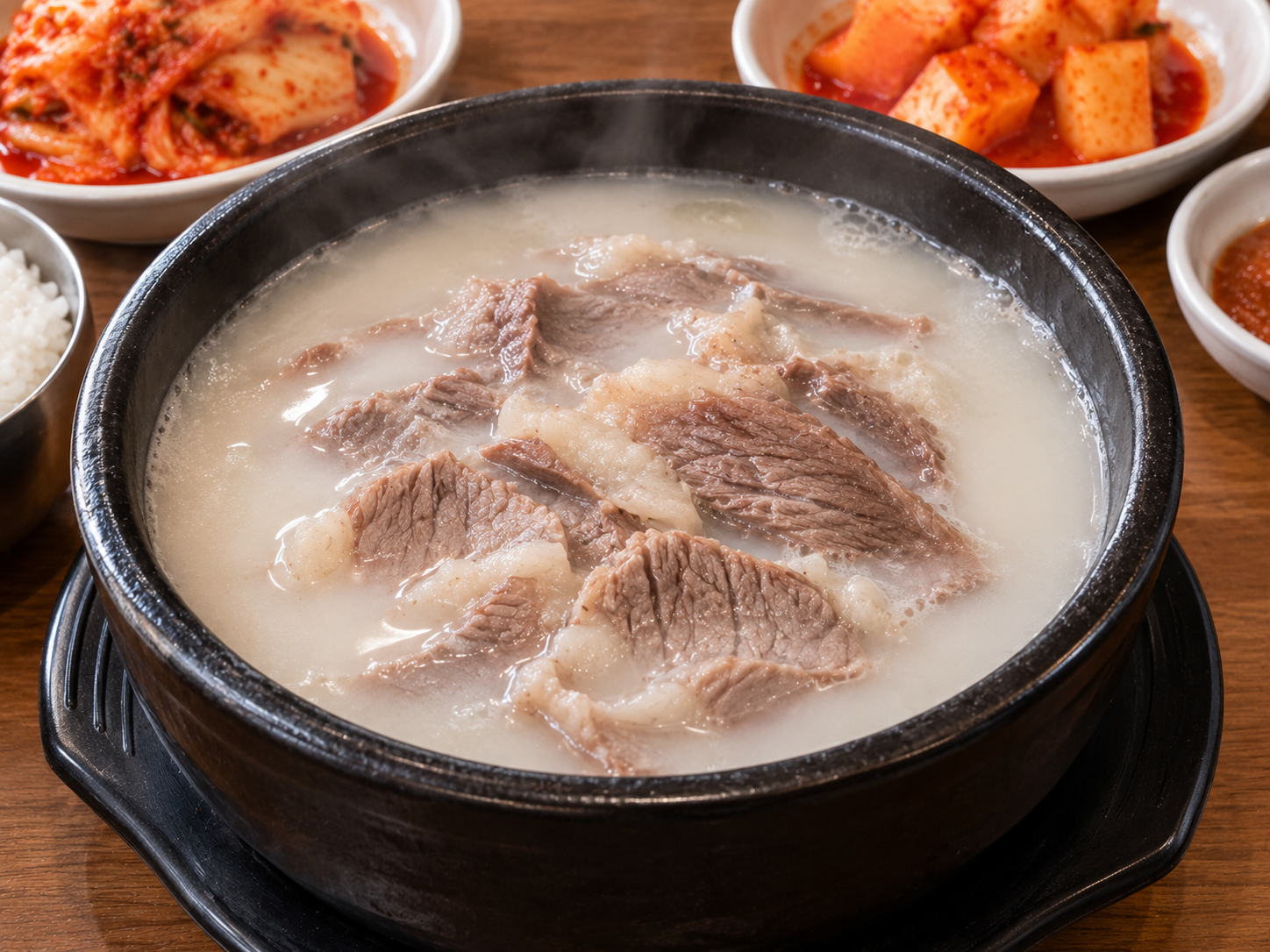 010 LOCAL TABLE
Malbang Gukbap is a Korean beef soup restaurant in Seongsu, serving a Gyeongsang-style beef gukbap made with plenty of Korean beef. The restaurant says its broth is made by simmering beef for more than 48 hours, and the soup is served with beef, radish, and vegetables. The menu goes beyond ordinary gukbap, with yukhoe bibimbap, mungtigi, beef sashimi, beef tendon, and other Korean beef dishes available alongside the main soup. The restaurant has a more traditional neighborhood character than many of Seongsu's newer cafés and restaurants. It is located on Gwangnaru-ro 8-gil, about a 10–15 minute walk from Seongsu Station, and has a larger dining room than its exterior might suggest. For travelers, the regular Korean beef gukbap is the easiest introduction to the restaurant, while the special version gives you more beef without requiring a large shared order.
View details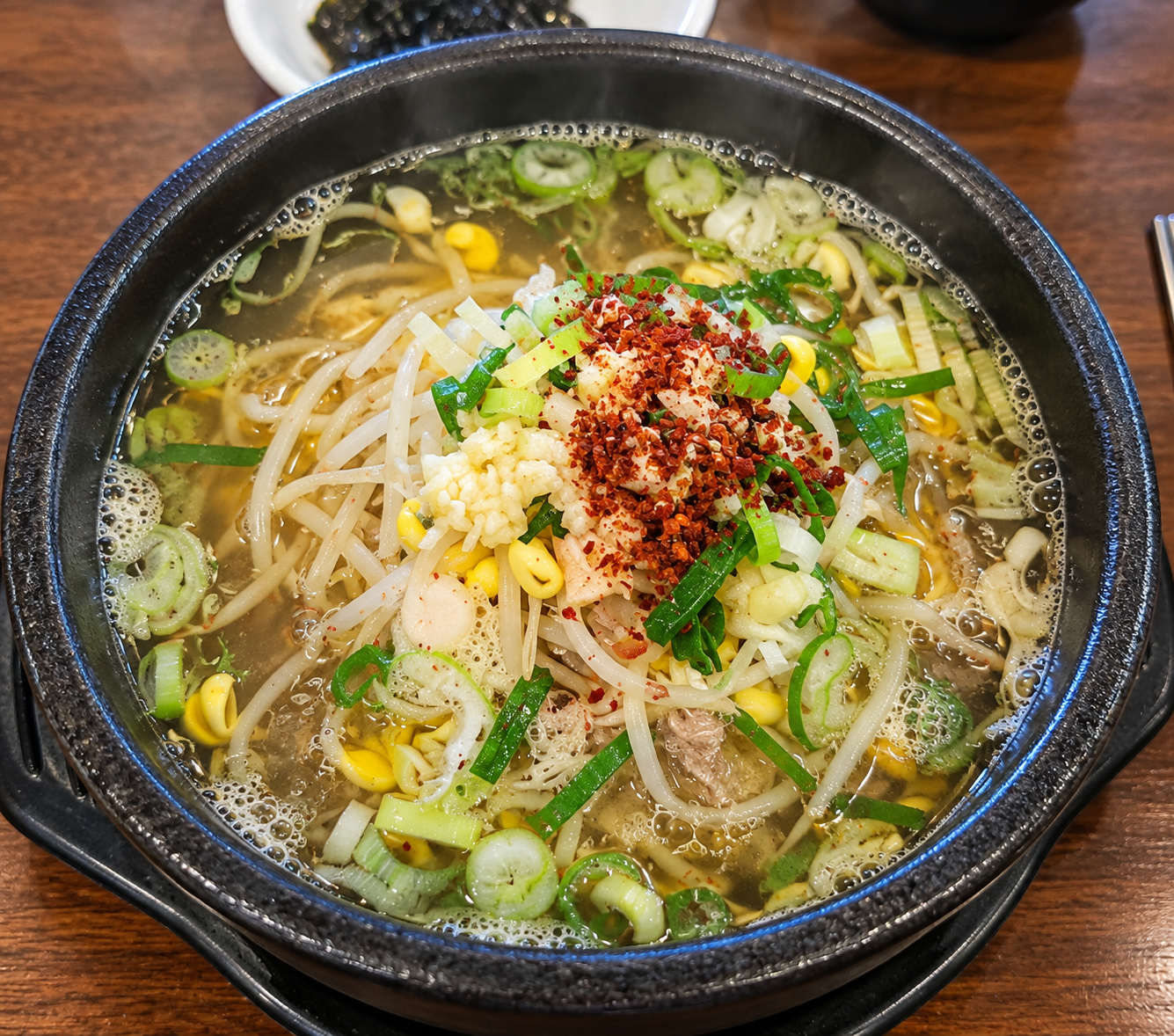 011 LOCAL TABLE
Bisabeol Jeonju Bean Sprout Gukbap is a simple Korean soup restaurant near Seoul Forest and Seongsu, specializing in Jeonju-style bean sprout gukbap. The menu is remarkably focused: bean sprout gukbap and moju, a traditional Korean rice wine drink associated with Jeonju. The soup contains plenty of bean sprouts along with chopped squid and other ingredients, and a soft-boiled egg is served separately so diners can enjoy it in their own way. The restaurant opens from 7:00 in the morning, making it useful for breakfast as well as a simple lunch or late meal. It is close to Seoul Forest and the Seongsu area, but the restaurant itself has a straightforward neighborhood feel rather than a trendy café atmosphere. For travelers, it is an easy introduction to Korean gukbap because there are only two main choices and the regular bowl costs ₩10,000.
View details012 LOCAL TABLEJingukdang Seongsu Gukbap is a casual Korean soup restaurant between Seongsu and Seoul Forest, serving hearty bowls of sundae gukbap and spicy gukbap. The restaurant is particularly suited to travelers looking for a simple Korean meal rather than a trendy café or elaborate dining experience. The signature Jin Sundae Gukbap comes with a rich beef-bone-based broth, sundae and generous pieces of pork, while the Spicy Gukbap offers a deeper, warming flavor with a spicy seasoning base. Recent visitors frequently mention the generous portions and clean-tasting broth. The restaurant has a casual, comfortable interior with counter-style seats that work well for solo diners as well as tables for small groups. A self-service station provides side dishes and seasonings such as kimchi, kkakdugi, chives, salted shrimp and spicy seasoning, allowing diners to adjust the soup to their taste. The restaurant's story is also connected to the owners' grandmother's gukbap, which inspired the recipes served today.
View details013 LOCAL TABLEAnmok Seongsu is a Korean pork gukbap restaurant in Seongsu, serving hearty bowls of pork soup with rice, along with mixed pork gukbap and other pork-based dishes. The restaurant is connected to the Anmok brand that originated in Busan, where the original restaurant has been listed in the MICHELIN Guide. The Seongsu location brings the brand's pork gukbap style into one of Seoul's busiest food and shopping neighborhoods. The main pork gukbap comes with a generous amount of pork in a rich but relatively clean-tasting broth. The mixed gukbap combines different cuts, including head meat and shank, giving the bowl more variety in texture. The restaurant is more polished and spacious than the image of a traditional neighborhood gukbap shop, making it relatively easy for visitors who are trying pork gukbap for the first time.
View details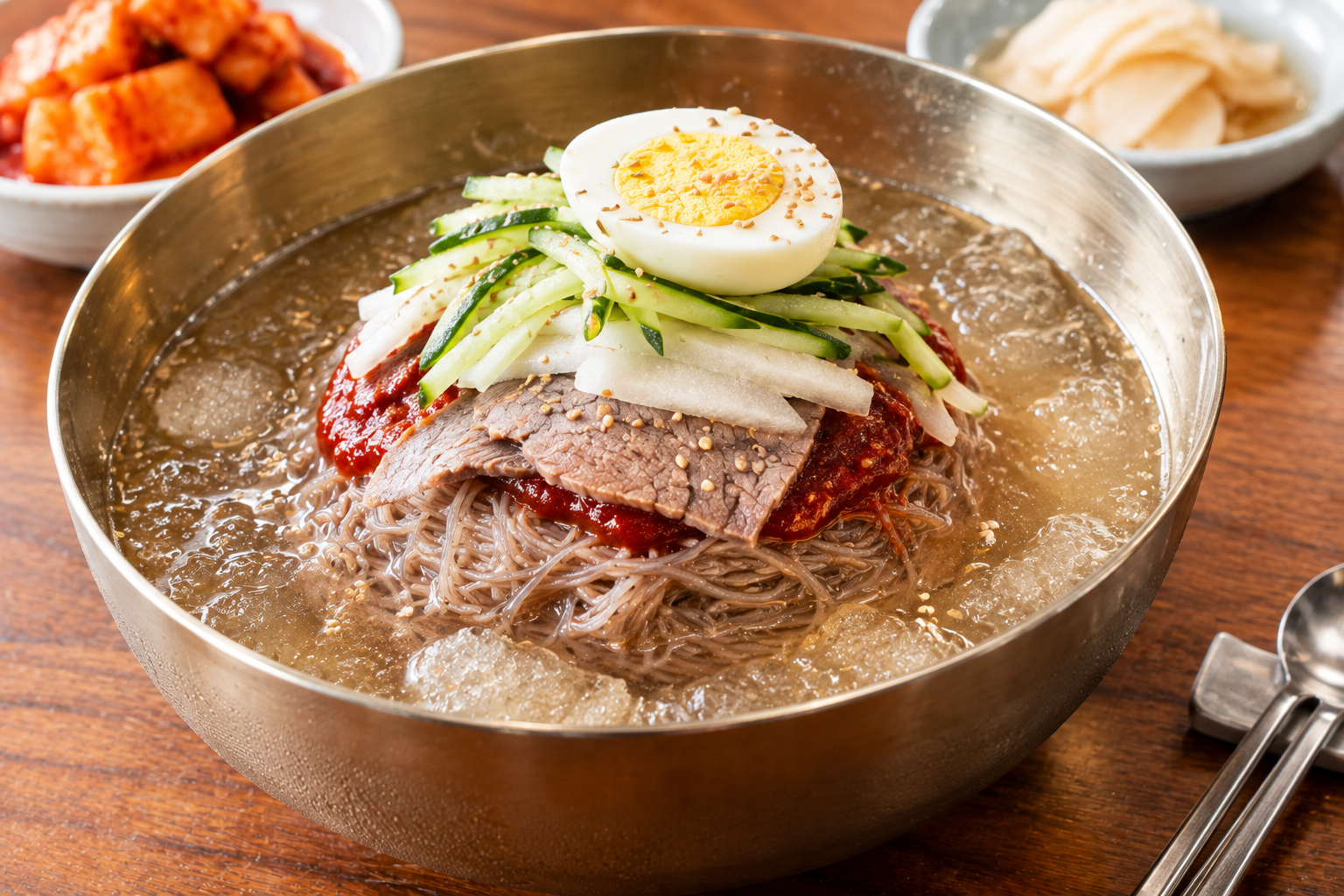 014 LOCAL TABLE
Seongsu Makguksu is a casual Korean noodle restaurant near Ttukseom Station and Seoul Forest, specializing in 100% buckwheat makguksu made in-house. The restaurant serves three main styles: chilled broth makguksu, spicy mixed makguksu and deulgireum makguksu, along with boiled pork and other buckwheat dishes. Its location is particularly convenient for travelers exploring the Seoul Forest and Ttukseom side of Seongsu. The restaurant's signature is the Deulgireum Makguksu, made with buckwheat noodles, perilla oil and generous amounts of perilla seeds. For a first visit, the ₩15,000 Seongsu Set Meal is also practical because it combines one of the three makguksu options with a small serving of boiled pork. The restaurant has a clean, simple dining room with seats suitable for both solo diners and small groups.
View details015 LOCAL TABLEWoongkal Seongsu is a casual Korean noodle restaurant specializing in chicken kalguksu, located just a short walk from Seongsu Station. Its signature Woongkal Guksu combines a clear, slow-cooked chicken broth with handmade-style knife-cut noodles and grilled chicken thigh. The restaurant also serves a spicy version, bibim noodles, dumplings and other Korean comfort-food dishes. The restaurant has a clean, modern interior built mainly around counter seating, making it particularly convenient for solo diners. The concept focuses on a warm, protein-rich bowl rather than a heavy or overly sweet noodle dish. Freshly made geotjeori, or fresh Korean-style kimchi, is also served with the meal.
View details016 LOCAL TABLEGwangjang Jokbal Bonga is a casual Korean jokbal restaurant right by Seongsu Station, serving warm braised pig's feet with a selection of Korean side dishes. The restaurant is located on Achasan-ro, making it an easy stop for visitors exploring Seongsu. Its menu is centered on jokbal, with cold spicy noodles, mung bean pancakes and simple Korean soups available as additional dishes. The jokbal is served warm and cut into thick slices, with the meat described by visitors as tender and chewy rather than overly sweet or heavily seasoned. The restaurant has a casual neighborhood atmosphere, with indoor seating and several outdoor tables. It is particularly suited to groups sharing a large plate of jokbal, although the small portion makes it possible for a smaller group to order without committing to the largest size.
View details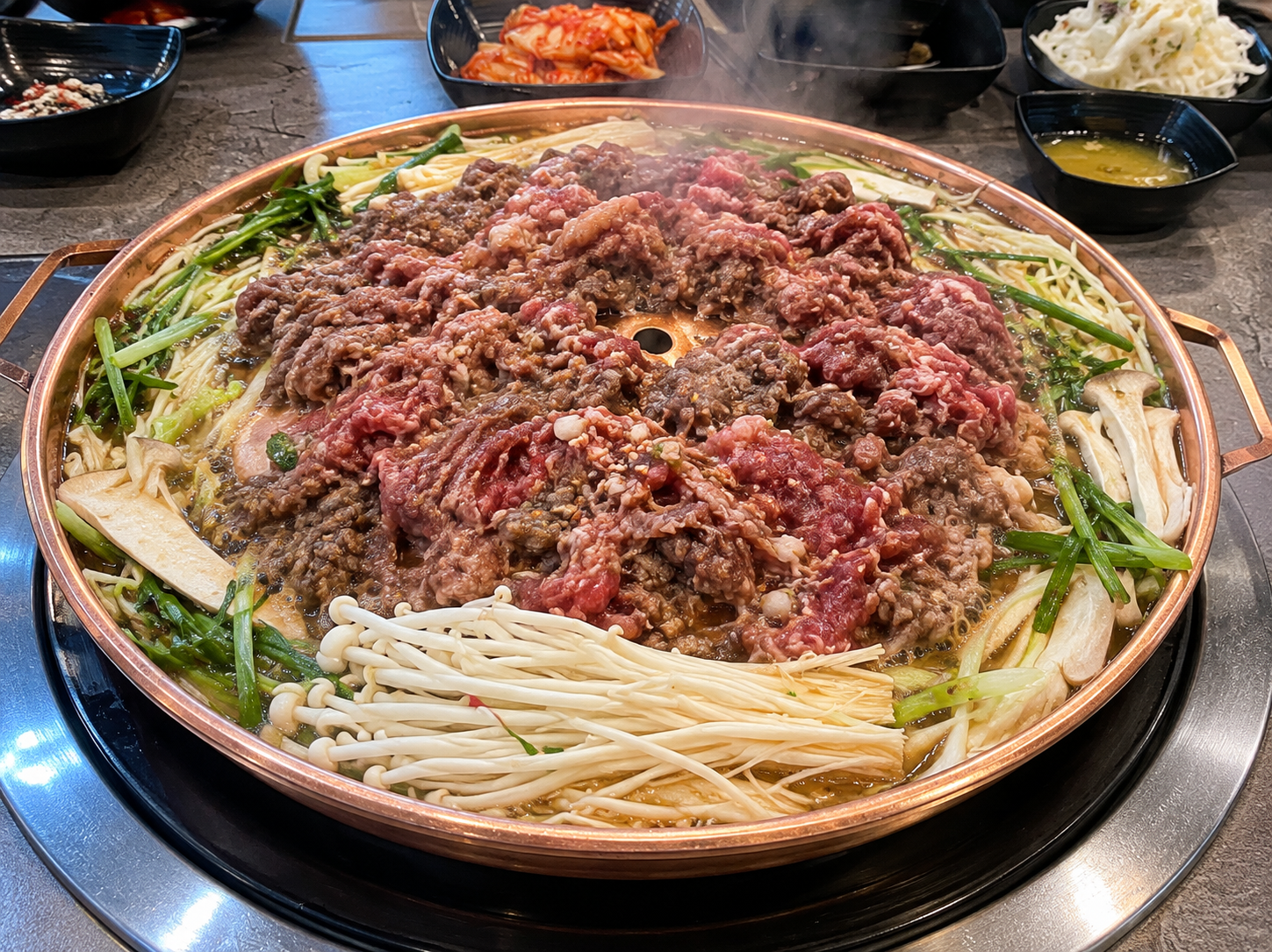 017 LOCAL TABLE
Seoul Forest Osam Bulgogi is a casual Korean restaurant near Seoul Forest and Ttukseom, serving straightforward Korean home-style dishes built around spicy stir-fried pork and squid. Its signature Osam Bulgogi combines squid and pork with vegetables in a savory, slightly sweet and spicy sauce, then cooks everything together on a large pan. The restaurant also serves simple lunch dishes such as spicy stir-fried squid, pork bulgogi and budae-jjigae. This is more of a practical neighborhood lunch restaurant than a destination dining spot. The dining room is relatively small and is particularly busy around lunchtime, when nearby office workers make up a large part of the crowd. The signature dish is reasonably priced, portions are reported to be generous, and recent visitors frequently mention the combination of tender squid, pork, a smoky aroma and rice as the main appeal.
View details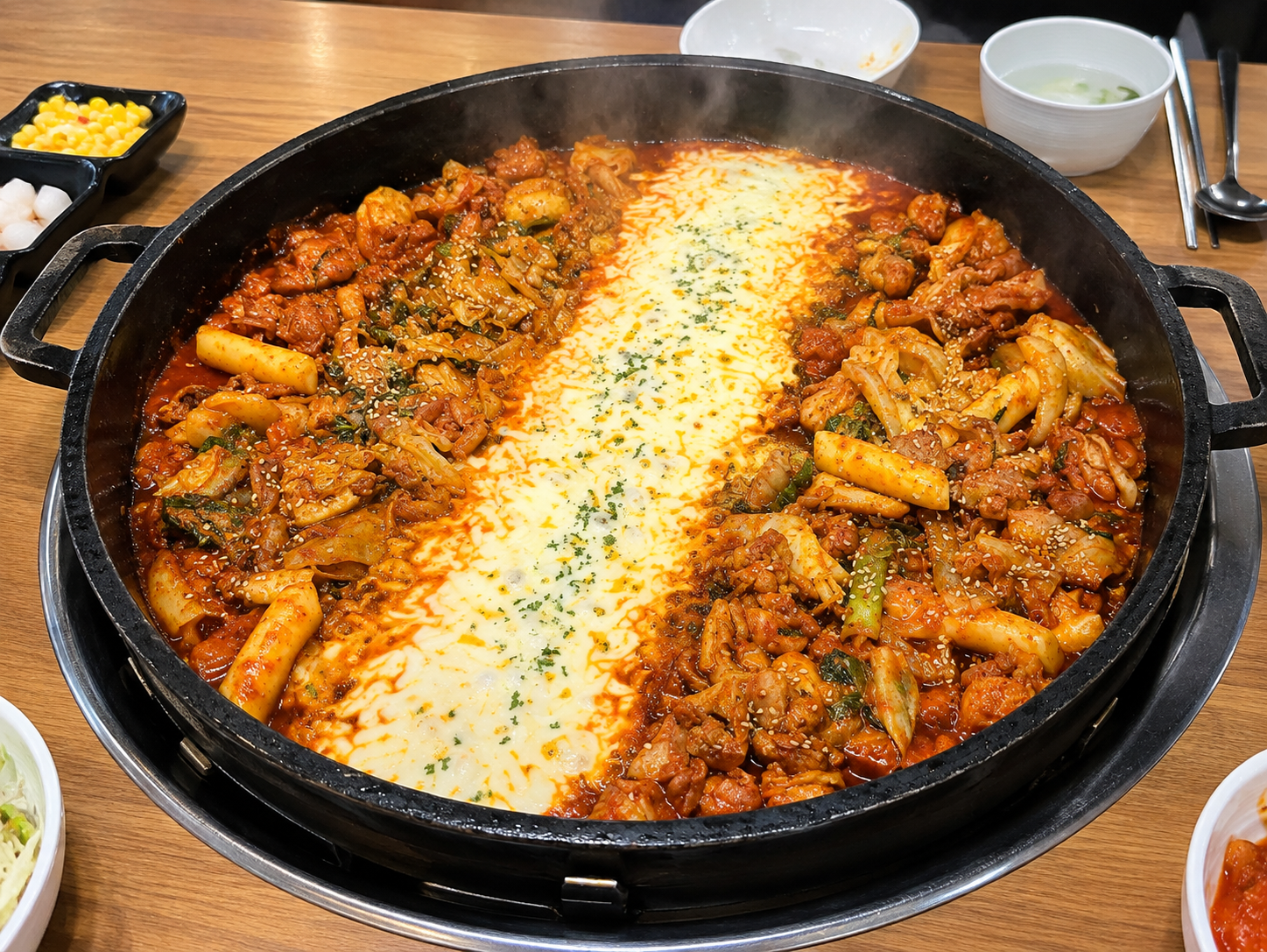 018 LOCAL TABLE
Gyejaram Seongsu Main is a Korean restaurant specializing in Chuncheon-style charcoal-grilled dakgalbi, a style of chicken barbecue that is different from the more familiar pan-fried dakgalbi. Chicken is grilled over charcoal, giving the meat a smoky aroma while keeping the inside tender. The restaurant offers three main flavors: salt, soy sauce and spicy seasoning, making it easy to compare different styles of Korean grilled chicken in one meal. The most useful order for first-time visitors is the Three-Flavor Set (합계), which combines salt, soy and spicy dakgalbi for ₩42,000. Individual portions are ₩14,000 for salt and ₩15,000 for soy or spicy. The restaurant also offers chicken neck, gizzard and chicken feet, along with side dishes such as cheese potato pancake, makguksu, bibim noodles and doenjang noodles.
View details019 LOCAL TABLEChuncheon Dakgalbi is a casual Korean restaurant between Ttukseom and Seoul Forest, serving the familiar Korean-style stir-fried chicken dish known as dakgalbi. Chicken is cooked together with vegetables and a spicy red sauce on a large tabletop pan, creating a hearty meal that is typically shared around the table. One of the most useful options for visitors is the lunch special combining dakgalbi and fried rice for ₩11,000. The regular dakgalbi is ₩13,000. The restaurant also serves other familiar Korean dishes such as pork bulgogi, spicy stir-fried squid, vegetable gopchang and makguksu.
View details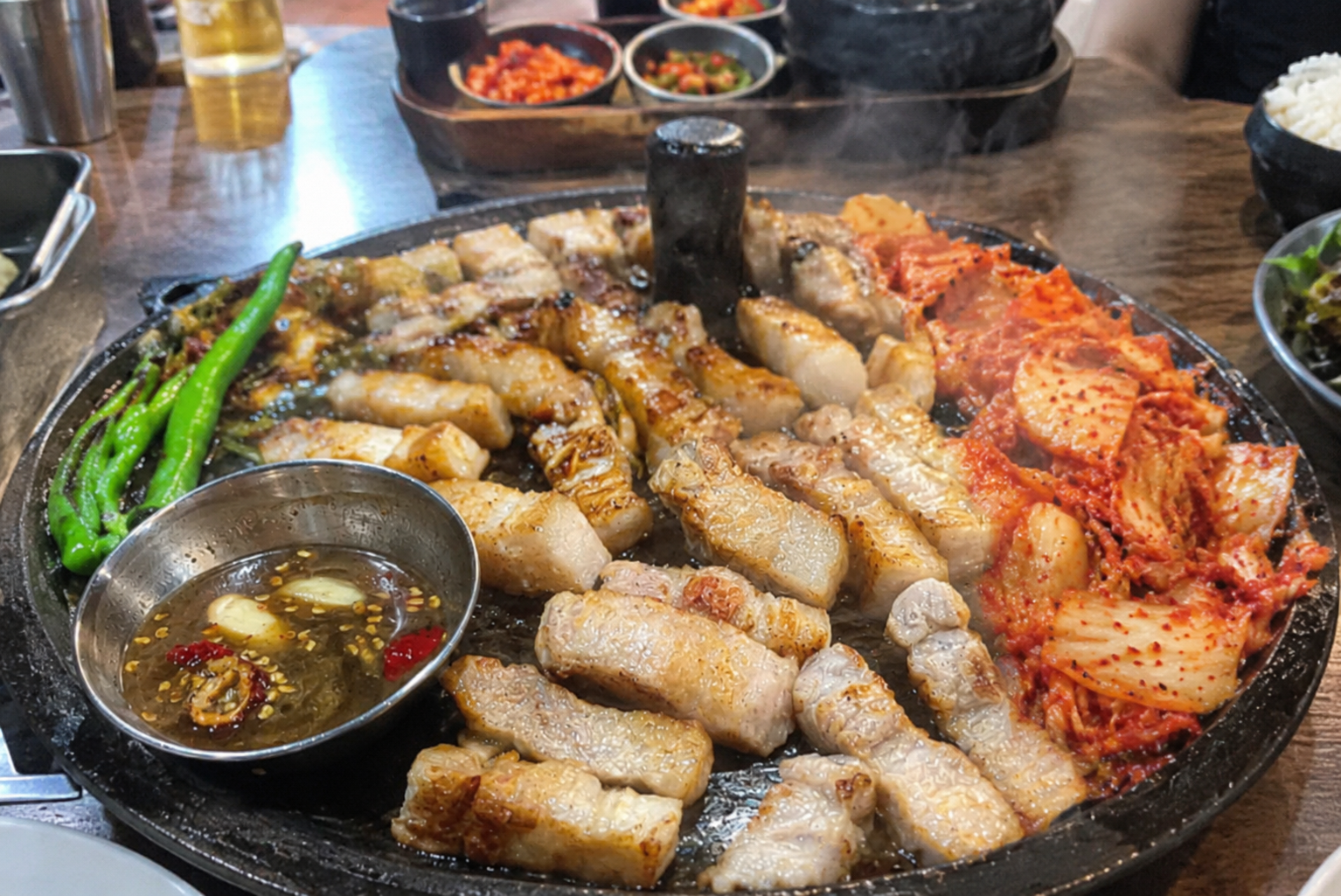 020 LOCAL TABLE
Seokam Saeng Sogeumgui Seongsu is a Korean BBQ restaurant near Seongsu Station, specializing in fresh pork grilled simply with salt on a large stone grill. The restaurant's name literally refers to its salt-grilled meat, and the stone plate is a distinctive part of the experience. Popular orders include the assorted pork platter, which combines samgyeopsal, cheongyeop and deungsim-deotsal, allowing diners to compare several pork cuts in one meal. The restaurant is spacious enough for groups and is particularly suited to a Korean BBQ meal with friends or coworkers. Along with the meat, the table comes with accompaniments such as kimchi, green-onion salad, wasabi and other side dishes. A particularly Korean way to finish the meal is with stone-plate Jjapagetti, while cheese and egg additions are also available according to recent visitor reports.
View details021 LOCAL TABLEIlmirak Seongsu is a Korean BBQ restaurant near Ttukseom Station, known for pork aged with salt-koji (rice koji) before being grilled. Rather than focusing only on standard samgyeopsal, the restaurant's signature is its fermented pork: Salt-Koji Fermented Gabrisal and Salt-Koji Fermented Pork Collar. The aging process is intended to give the pork a tender texture and deeper savory flavor, while the restaurant also uses direct grilling to add a smoky aroma. For visitors who want a more familiar Korean BBQ experience, thick-cut pork belly and pork collar are also available. The menu goes beyond meat with flame-grilled pork ribs, gochujang pork, spicy squid, deodeok and several Korean-style finishing dishes. This makes Ilmirak suitable both for a focused pork BBQ meal and for a longer shared dinner with several dishes.
View details022 LOCAL TABLEJamsugyojip Seongsu is a Korean pork barbecue restaurant near Seongsu Station, known for geupraeng samgyeopsal, or thinly sliced frozen pork belly. The meat is quickly frozen and grilled at the table, giving the meal a different texture and cooking experience from the thick-cut samgyeopsal commonly found at Korean BBQ restaurants. Fresh pork belly and beef brisket are also available, but the frozen pork belly is the main reason people come here. The meal is built around more than just the meat. A large selection of vegetables, kimchi, green onion salad, garlic, peppers, sauces and other side dishes is served with the barbecue, and diners commonly add soybean paste stew or fried rice at the end. It is a lively, casual restaurant rather than a quiet dining room, and waiting can be common during busy periods. The late closing time also makes it an option for a late-night Korean BBQ meal in Seongsu.
View details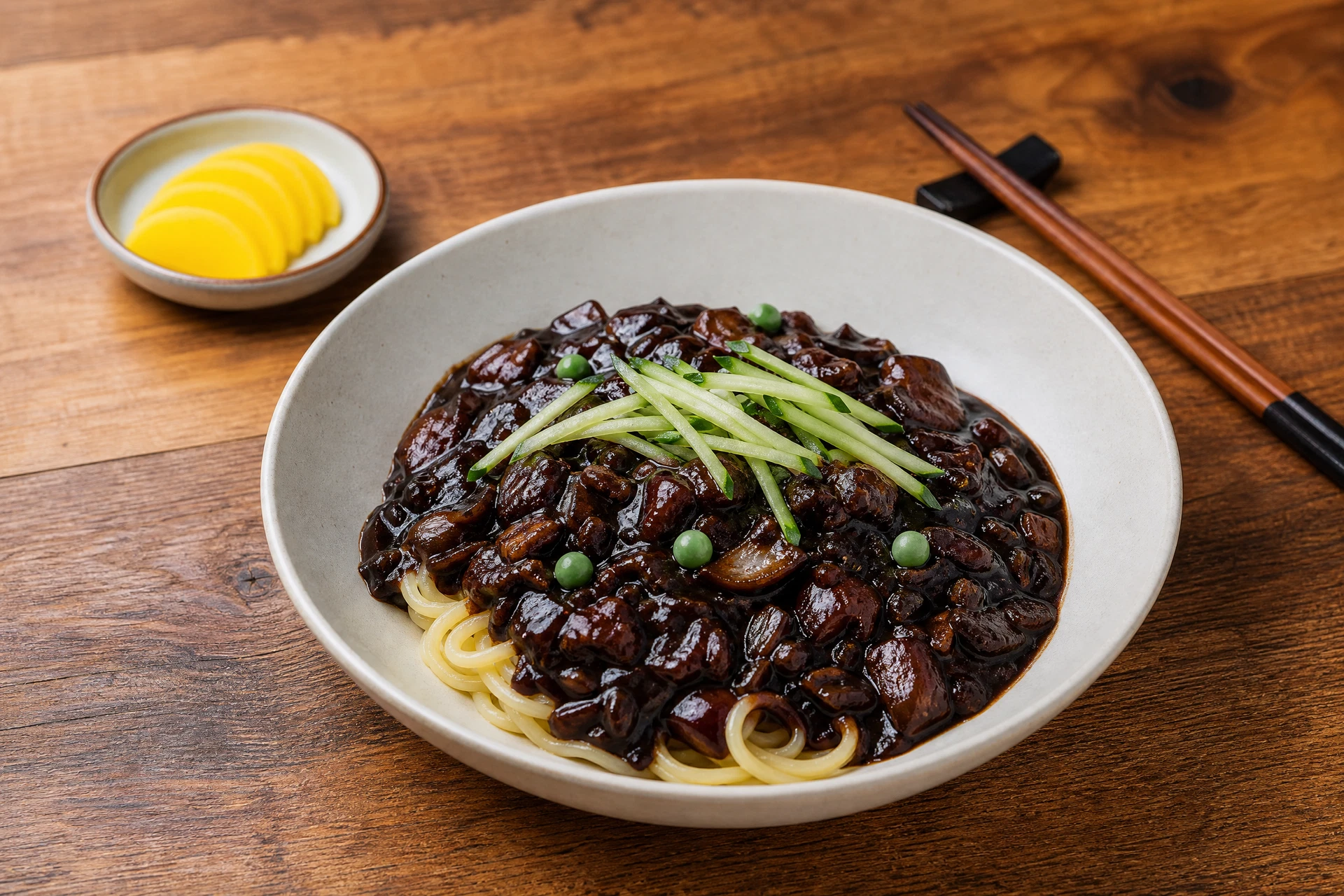 023 LOCAL TABLE
Seongsu Sok Hyangyeon is a Korean-Chinese restaurant in Seongsu serving familiar dishes such as jajangmyeon, jjamppong and tangsuyuk, along with a wider selection of Chinese-style dishes for sharing. Its best-known dish is the pork tenderloin tangsuyuk, made with tender pork loin and served with a sweet sauce. A small “mini tangsuyuk” portion is also available, which makes it easier for one person or a small group to try it without ordering a large sharing dish. The restaurant sits somewhere between a neighborhood Chinese restaurant and a more polished Korean-Chinese dining room. The interior is modern and clean, with an open kitchen, while the menu works for both a quick lunch and a longer shared meal. Jajangmyeon and several jjamppong options are around ₩9,000–₩13,000, while fried dishes and larger Chinese dishes are better suited to sharing. Reviews frequently mention the clean seafood jjamppong and the tender tangsuyuk, making those two dishes particularly useful starting points for first-time visitors.
View detailsOne city. One area. One good meal. Open a restaurant guide to see its signature menu, practical visit details, and traveler notes.