These restaurant guides belong to the area you selected. Choose one to see what to order and how to get there.
01 LOCAL TABLE
Seoul · MyeongdongGalbi
Wangbijib Myeongdong Central
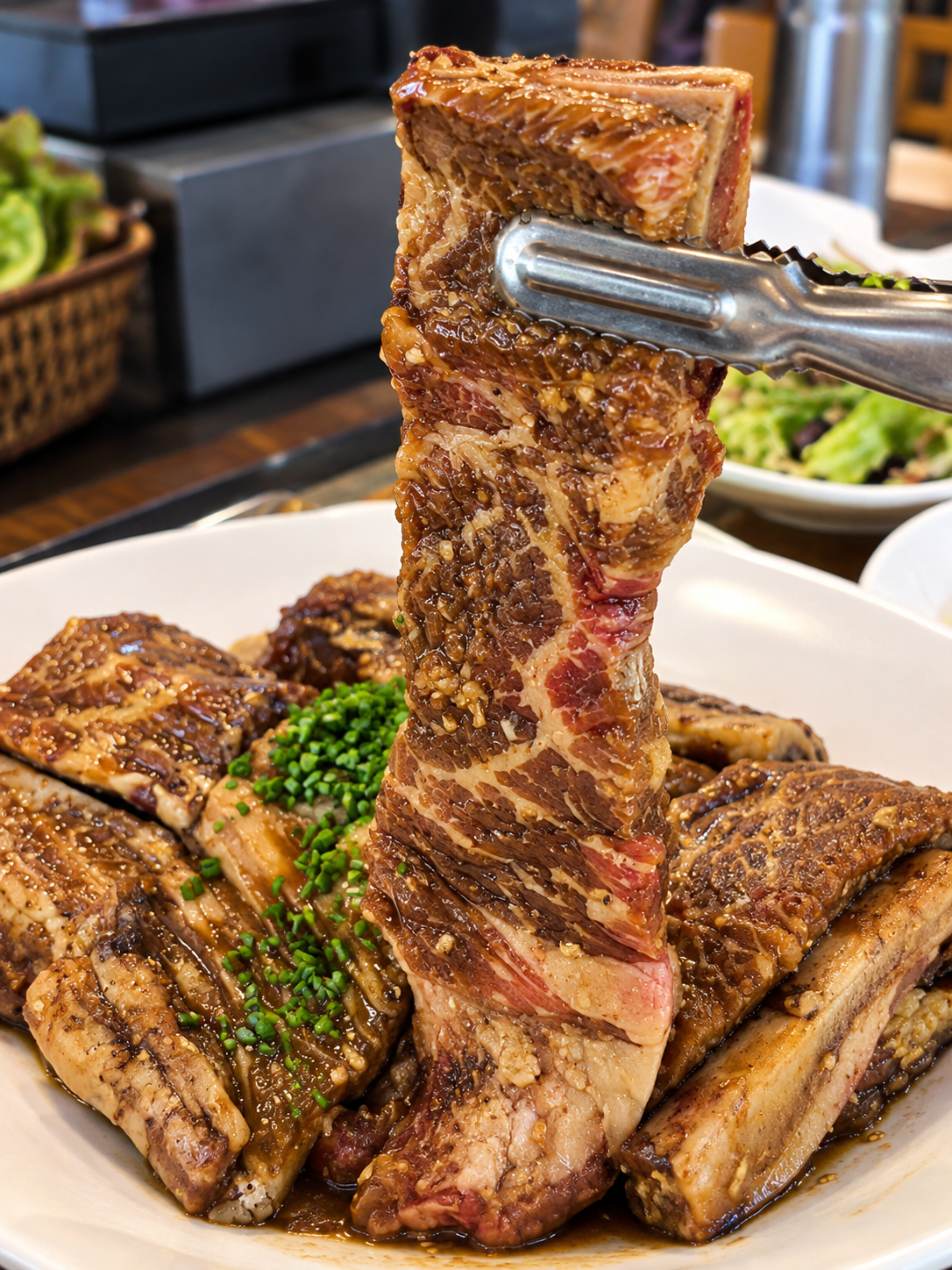
A Korean BBQ restaurant in the heart of Myeongdong, known for charcoal-grilled beef, premium Hanwoo, and signature marinated galbi. With set meals and a variety of grilled meat options, it is an accessible choice for travelers looking to experience Korean BBQ in Seoul.
Miseongok is a traditional Korean restaurant in Myeongdong that has been serving Seolleongtang, a slow-cooked Korean beef soup, since 1966. The restaurant keeps its menu remarkably simple, focusing on Seolleongtang and Suyuk, boiled beef served as a separate dish. Its Seolleongtang is known for a clean, savory beef broth rather than an aggressively rich or salty flavor. Thin noodles and generous pieces of beef are served in the soup, making it a complete and comforting meal.
For travelers, Miseongok offers a different side of Myeongdong from the busy shopping streets and tourist restaurants. The restaurant has long been part of the everyday food culture of central Seoul and is still visited by local diners as well as international visitors. Its early opening hours also make it particularly useful for travelers looking for a traditional Korean breakfast before exploring Myeongdong, City Hall or Euljiro.
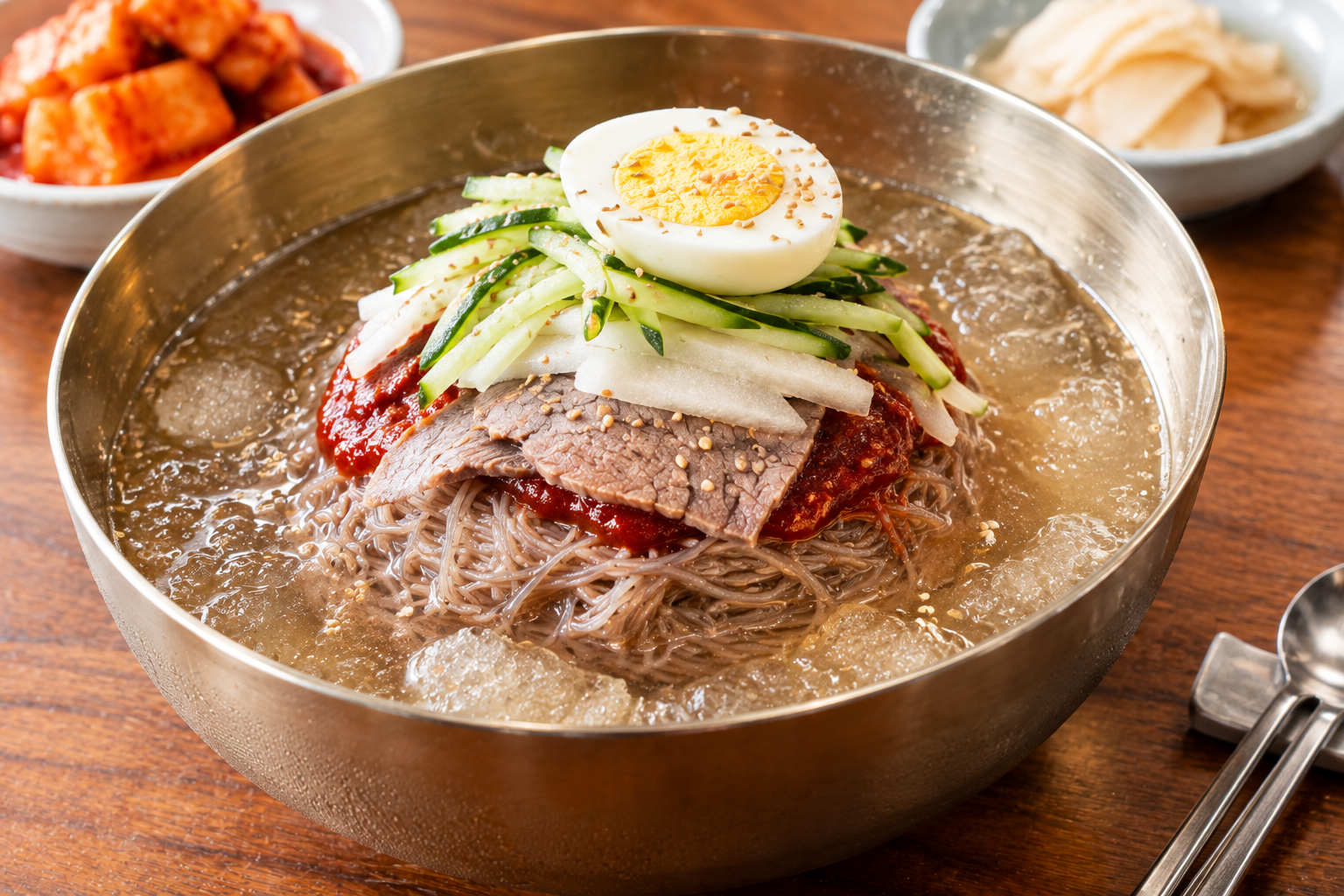
Myeongdong Hamheung Myeonok is a long-running restaurant specializing in Hamheung-style Naengmyeon, a Korean cold noodle dish known for its thin, chewy noodles and strongly seasoned sauce. Located in a quieter alley just off Myeongdong's busy shopping streets, the restaurant has been serving its traditional style for decades. Its signature Hoe Naengmyeon combines chewy noodles with seasoned raw fish and a spicy, tangy sauce, while Mul Naengmyeon offers a cooler and milder alternative.
The restaurant is particularly interesting for travelers because it offers a traditional Korean food experience right in the middle of one of Seoul's busiest tourist districts. Rather than being a modern restaurant designed around visitors, it has the feel of an old-school neighborhood noodle shop. Local office workers and long-time customers continue to visit, while international travelers can experience one of Korea's classic regional noodle styles without having to leave central Seoul.
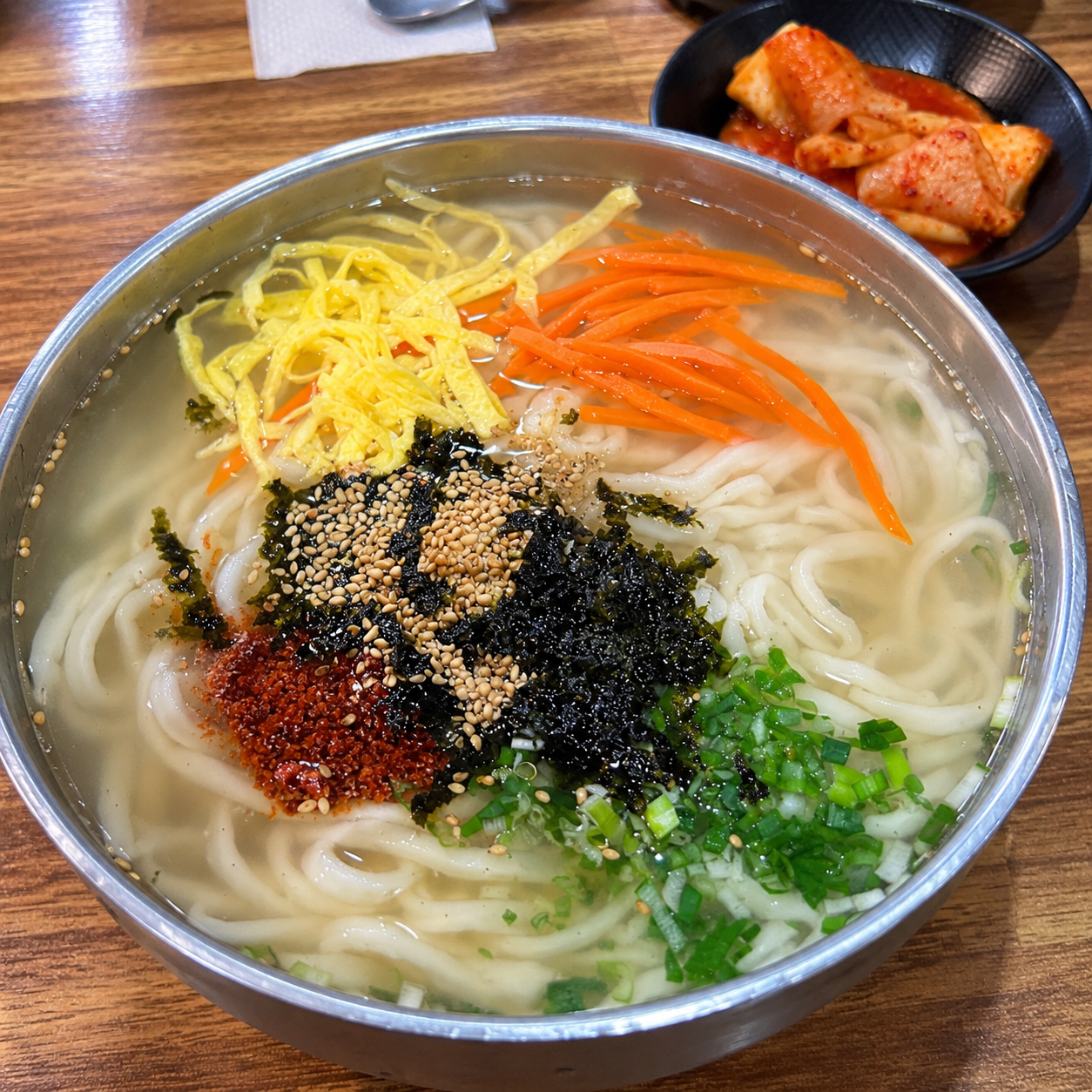
Myeongdong Kyoja Myeongdong Station Branch is a convenient place to try one of Seoul's most recognizable kalguksu restaurants while exploring Myeongdong. Myeongdong Kyoja has been serving its signature noodle dishes since 1966, and this branch is located directly near Myeongdong Station, making it particularly easy for travelers to reach. The menu is intentionally simple, focusing on kalguksu, mandu (dumplings), and bibim-guksu, with kongguksu available seasonally. The signature kalguksu features soft noodles in a rich chicken-based broth with meat and dumplings.
For travelers, the biggest advantage is simplicity. You do not need to understand a long Korean menu or order several dishes to have a satisfying meal. A single bowl of kalguksu is enough for one person, while mandu can be added to share. This is a busy, high-turnover restaurant rather than a place for a long, relaxed meal, but that makes it particularly practical between Myeongdong shopping and sightseeing stops.
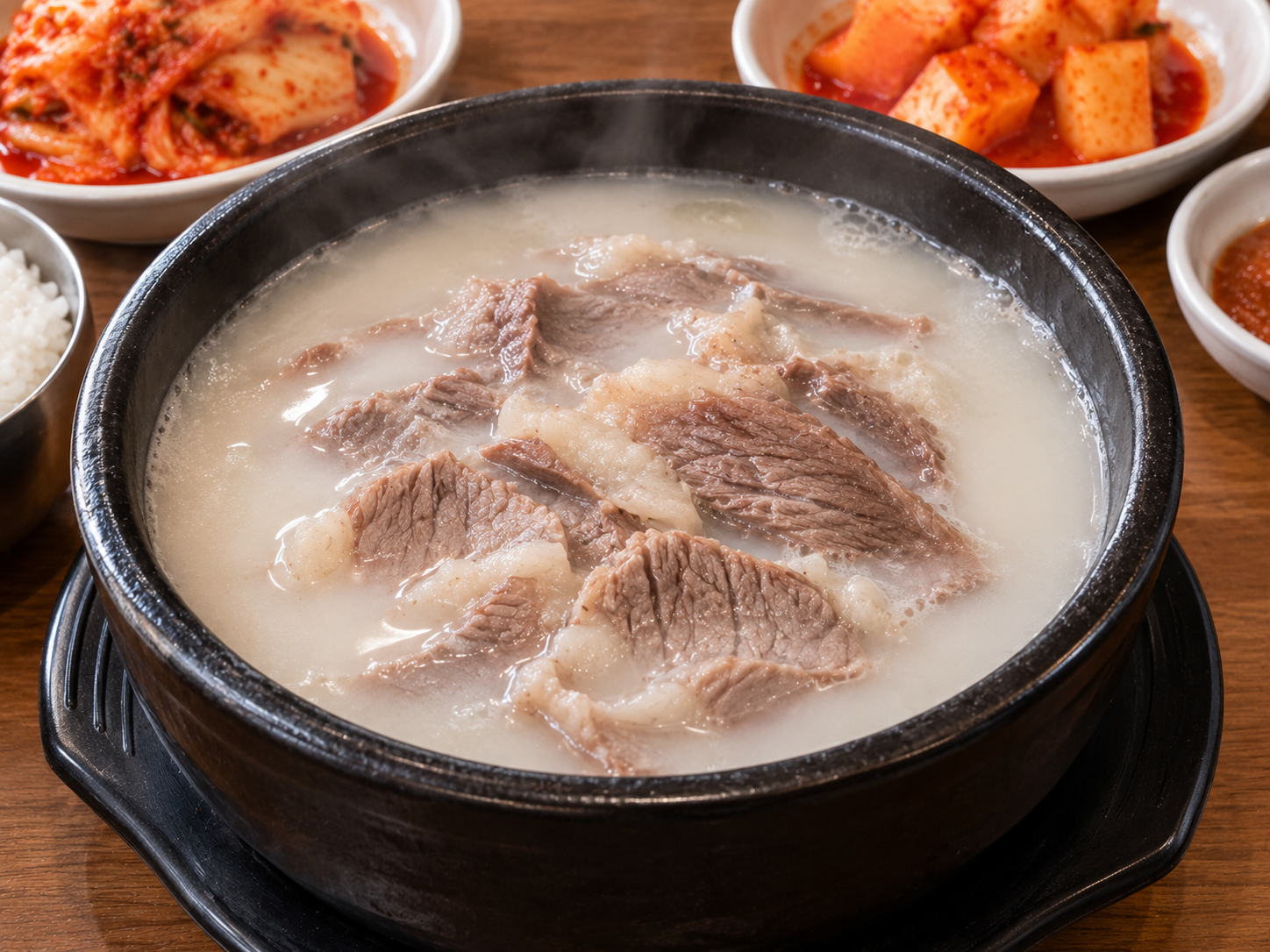
Hadongkwan is one of Seoul's classic destinations for gomtang, a clear Korean beef soup traditionally enjoyed as a hearty but relatively simple meal. Established in 1939, the restaurant has built its reputation around a deeply savory broth made from Korean beef, bones, and various beef cuts. Unlike heavily seasoned soups, Hadongkwan's broth is deliberately restrained, allowing the natural beef flavor to remain at the center. The restaurant is also known for its distinctive ordering system, where the amount of beef in the bowl can be increased through options such as regular, 25 Gong, and 30 Gong.
The Myeongdong location is particularly suitable for travelers who want to experience an old Seoul institution rather than a modern Korean restaurant. The menu is extremely focused, so ordering is simple: gomtang is the main choice, while suyuk is available for sharing. It is also an unusually good breakfast option for visitors, opening at 7:00 AM and closing at 4:00 PM. This is a restaurant to visit for the food itself and the long history behind it, rather than for atmosphere, elaborate presentation, or a leisurely dining experience.
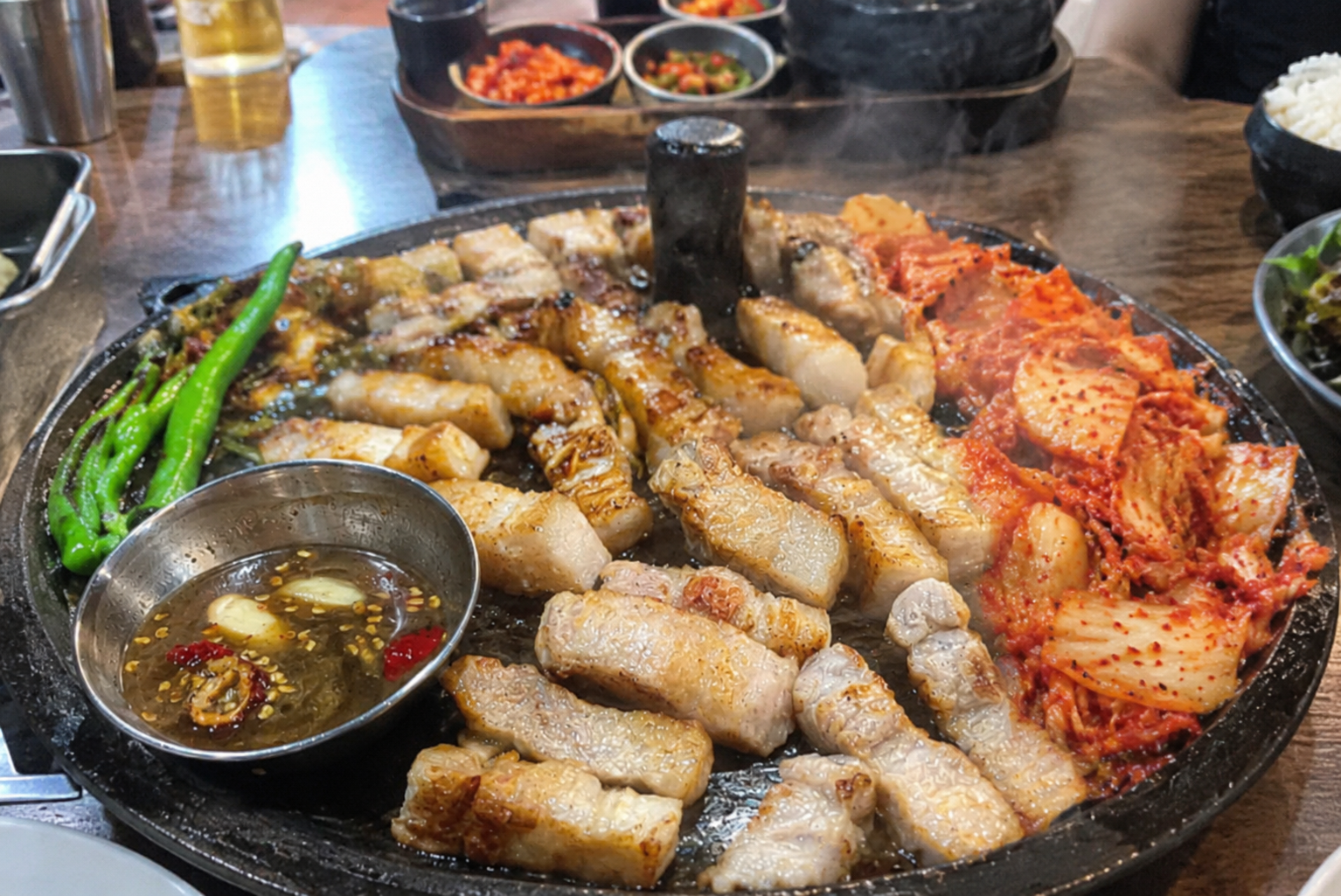
Yuk Tongryeong is a Korean BBQ restaurant in central Myeongdong specializing in aged black pork, with its most recognizable dishes built around thick-cut ogyeopsal and samgyeopsal. The restaurant ages its black pork for around 15 days and grills it over charcoal, giving the meat a combination of rich pork flavor, crisp exterior, and a substantial, chewy texture. Its signature 15-day aged black pork ogyeopsal is currently one of the restaurant's main menu items, while moksal, samgyeopsal, and handmade galbi provide easier alternatives for groups with different preferences.
The restaurant is particularly convenient for travelers because the staff grill the meat for you, making the experience much less intimidating for visitors who have never used a Korean BBQ table grill. The location is only a short walk from Myeongdong Station and the restaurant is accustomed to international visitors, with foreign-language menus available according to restaurant information. This makes it a practical introduction to Korean BBQ when you want the classic combination of charcoal-grilled pork, side dishes, dipping sauces, and a busy Korean dining atmosphere.
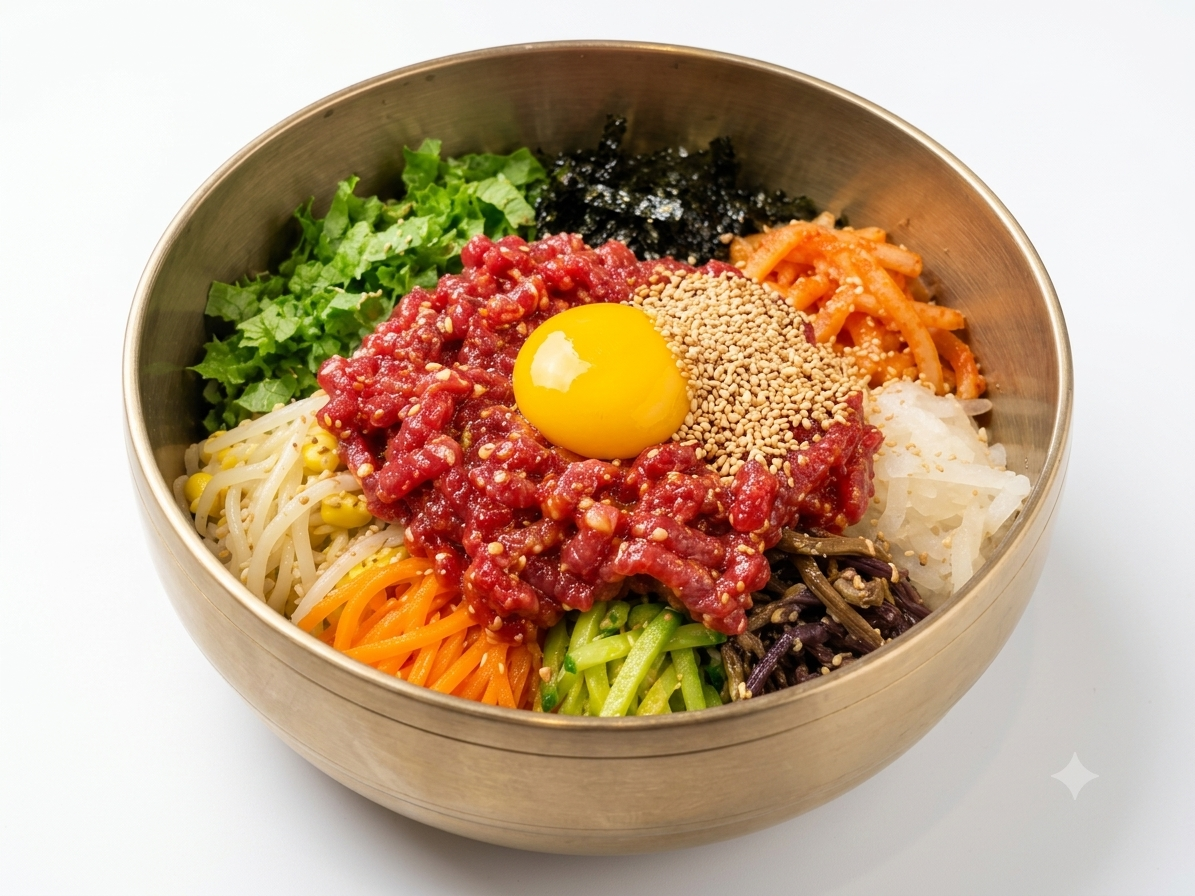
Mokmyeoksanbang Namsan Tower Branch is a Korean restaurant located along the Namsan walking trails, offering a relaxed way to experience bibimbap and traditional Korean-style meals while exploring Namsan. The restaurant's menu focuses on rice-based dishes made with vegetables, meat, tofu, and traditional Korean seasonings. Its signature options include Sanbang Bibimbap, Bulgogi Bibimbap, and 1++ Hanwoo Yukhoe Bibimbap, while dishes such as Jeyuk Ssambap and Handmade Tofu Ssambap provide alternatives for travelers who want something other than bibimbap.
What makes this branch different from a typical downtown Korean restaurant is its location and setting. It sits inside Namsan rather than along a busy commercial street, making it a natural stop during a walk toward or around N Seoul Tower. The combination of Korean food, a traditional-style setting, and the surrounding mountain scenery makes it particularly appealing to travelers who want their meal to feel connected to the place they are visiting rather than simply eating at a restaurant near a tourist attraction.
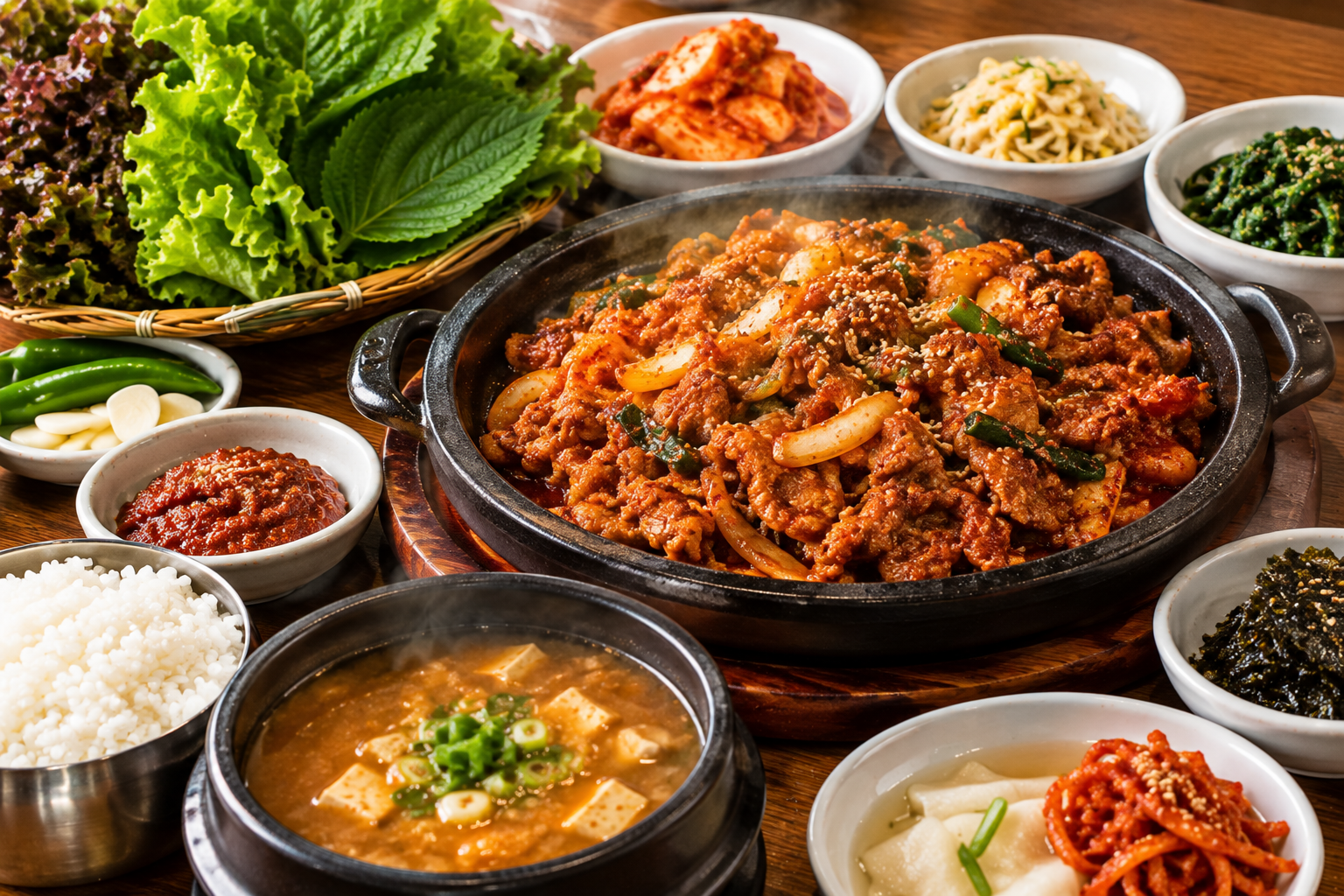
Ouga is a Korean restaurant near Myeongdong Station where travelers can experience one of the most approachable forms of everyday Korean food: ssam-bap, a meal built around rice, meat or other main dishes, fresh leafy vegetables, and several Korean side dishes. The restaurant is particularly known for serving fresh ssam vegetables with a house-style ssamjang, along with a hearty rice meal. Its gochujang bulgogi set is one of the more popular choices, pairing seasoned pork with fresh vegetables and a hot pot of rice.
Rather than focusing on a single grilled meat dish, Ouga gives travelers a chance to see how a Korean meal comes together around rice, banchan, vegetables, and a main dish. The restaurant is in the busy Myeongdong area, but reviews describe a mix of tourists and local office workers. For a first-time visitor who wants something more like an everyday Korean lunch than a formal barbecue meal, Ouga is an accessible choice.
Daega Insaeng Sundubu is a Korean restaurant in Myeongdong centered around sundubu-jjigae, a bubbling Korean soft tofu stew served with rice and side dishes. The restaurant offers a wide range of versions, from the house Insaeng Sundubu with seafood and beef to perilla seed, kimchi and pork, mushroom, seafood, beef brisket, oyster and even mala sundubu. Every sundubu order comes with nutritious stone-pot rice, making it a complete Korean meal rather than simply a bowl of soup.
For travelers, the appeal is the variety. You can choose a familiar combination such as seafood or beef, try the house version, or go for something more distinctly Korean such as perilla seed or kimchi and pork sundubu. The restaurant also offers three levels of spiciness, which makes it easier for first-time visitors to enjoy sundubu-jjigae without committing to a very spicy bowl.
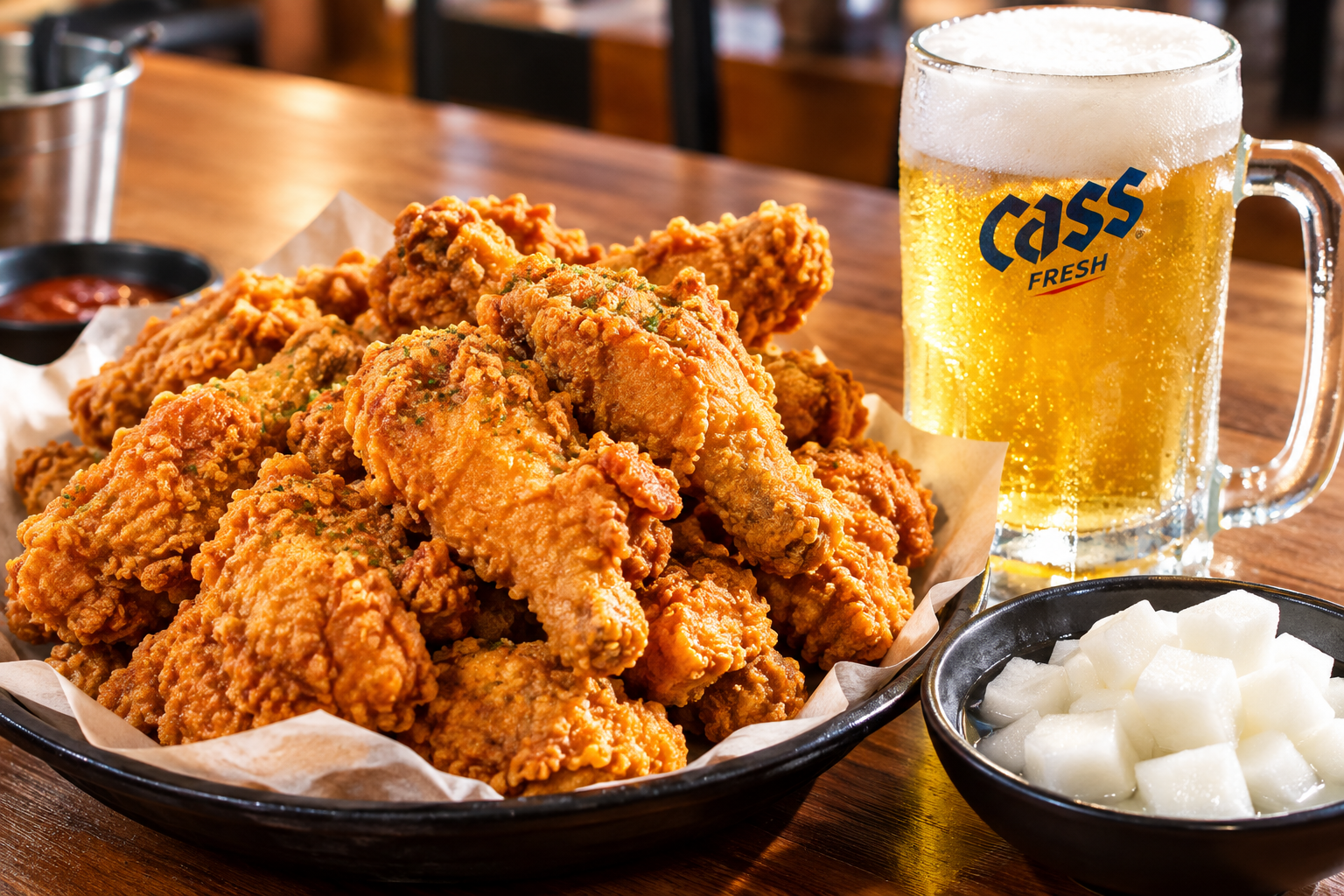
BHC Chicken Seoul City Hall is a branch of one of Korea's major fried chicken chains, located near Seoul City Hall and the Namdaemun shopping area. For travelers, it offers an easy introduction to Korean fried chicken, a food culture that is closely connected with beer, casual group dining, and late-night eating. Unlike a traditional Korean restaurant, the experience is informal: order a whole chicken or half-and-half combination, share it at the table, and pair it with beer and pickled radish.
The branch is particularly useful for visitors because it is located in an area where tourists naturally pass through, with City Hall, Deoksugung Palace and Namdaemun Market nearby. A recent visitor review specifically describes stopping in after shopping at Namdaemun and ordering a half-and-half chicken, while another recent local blog review noted a large proportion of foreign customers at the restaurant
Myeongdong Seoseo Galbi is a Korean BBQ restaurant famous for its unusual standing-dining format. Instead of sitting at a conventional restaurant table, diners stand around large drum-style charcoal grills while cooking marinated beef short ribs. The menu is deliberately simple, with marinated beef ribs as the main dish rather than a long list of different meats.
The ribs are served with a sweet-savory marinade and grilled over charcoal, giving the meat a strong smoky flavor. Rice, packaged kimchi and drinks are available separately, and the restaurant operates more like a quick, casual Korean BBQ stop than a leisurely full-service meal. Its location in central Myeongdong also makes it easy to combine with sightseeing.

 01 LOCAL TABLE