
 01 LOCAL TABLE
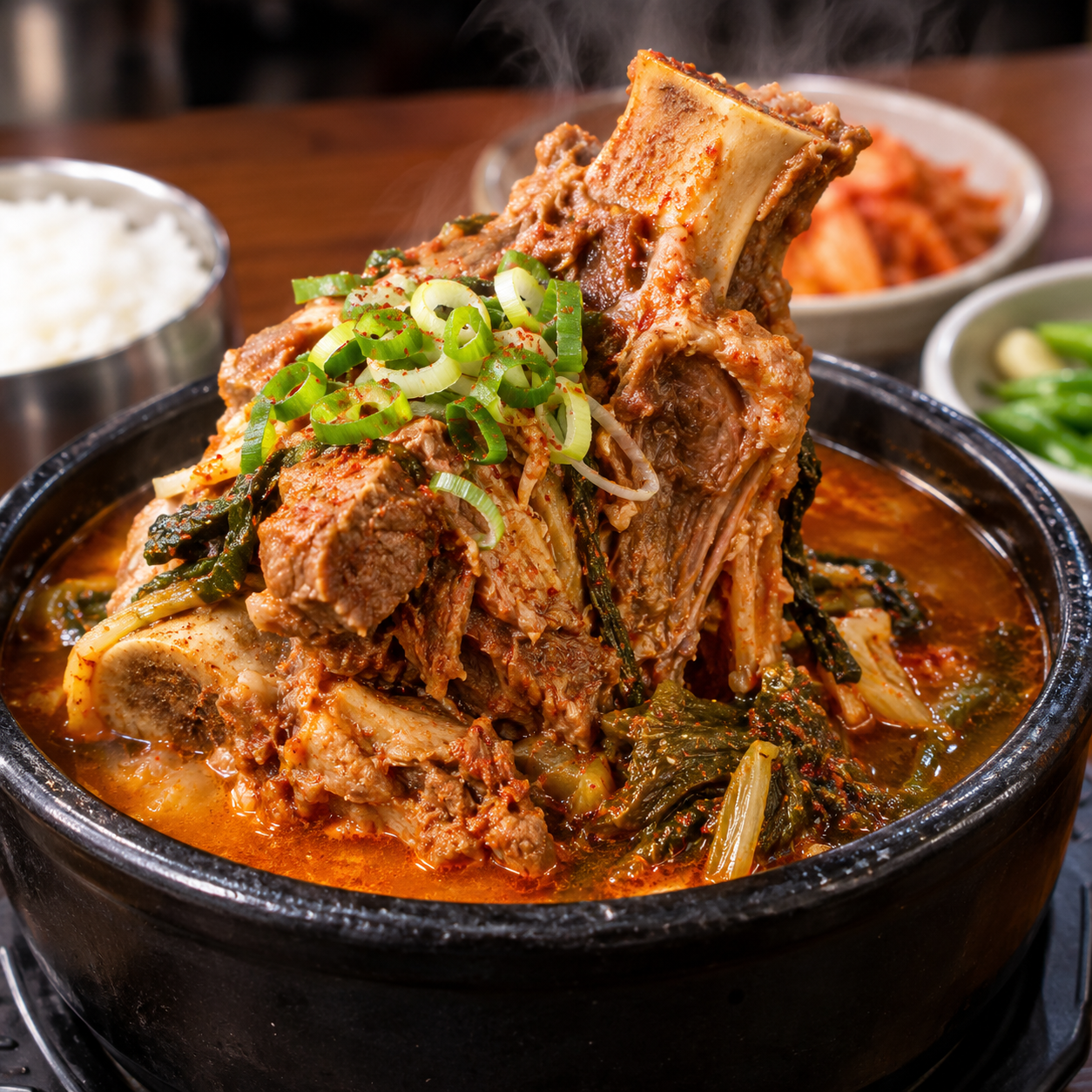
Somunnan Seongsu Gamjatang
A long-running Seongsu institution known for hearty Korean pork bone stew. Open around the clock, it has become one of the neighborhood's best-known spots for a comforting bowl of gamjatang.
View restaurantKOREAN FOOD GUIDE
Soups & Stews is part of Korea’s varied everyday food culture. Use this guide to understand the dish and find current Eat in Korea restaurant listings that serve it.
FOOD CATEGORYFIND A TABLE
Current restaurant guides connected to this food. Open a guide for practical visit details and the full signature menu.
01 LOCAL TABLEA long-running Seongsu institution known for hearty Korean pork bone stew. Open around the clock, it has become one of the neighborhood's best-known spots for a comforting bowl of gamjatang.
View restaurant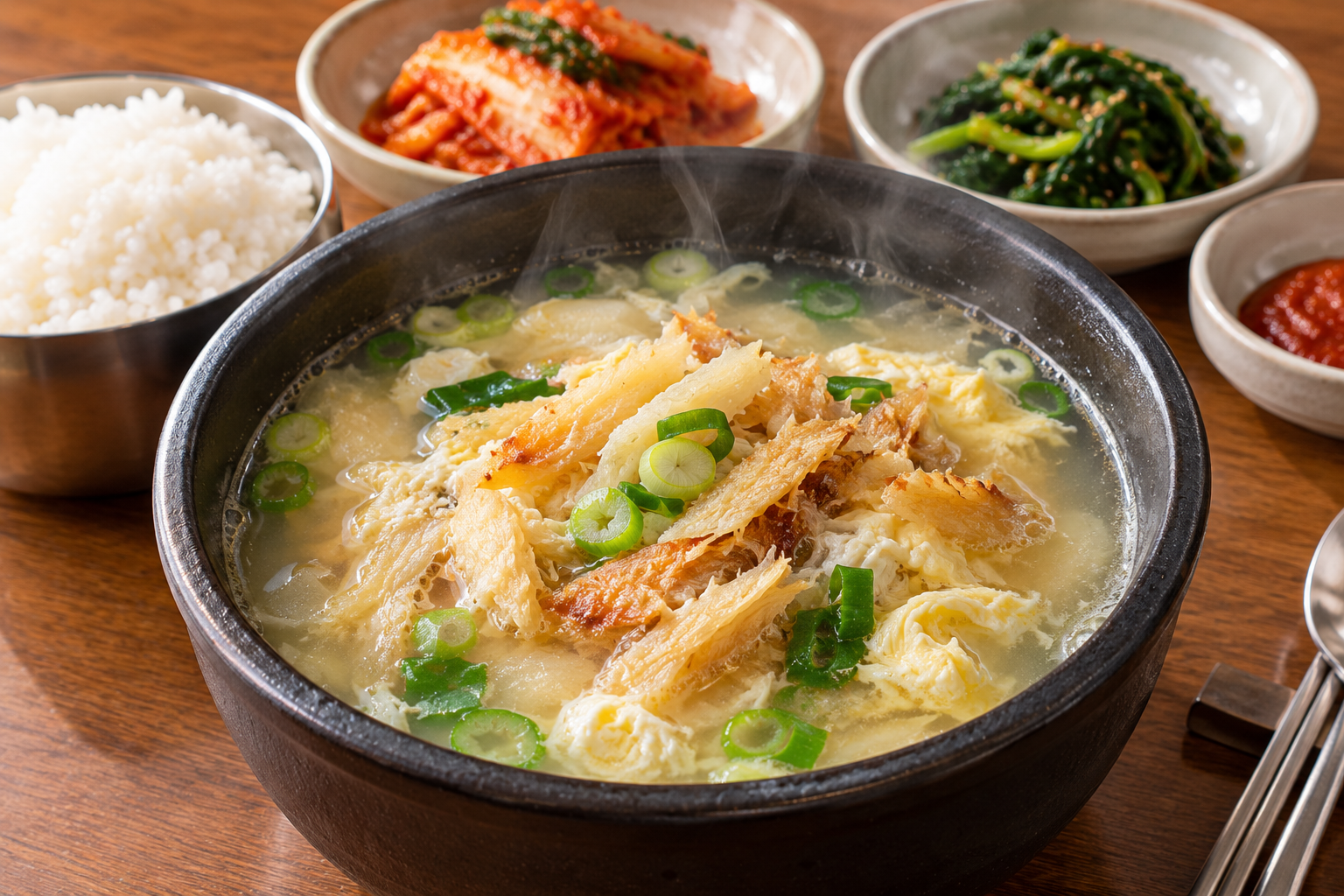 02 LOCAL TABLE
Mugyodong Bugeogukjip is a long-running Seoul restaurant known for one simple dish: Bugeoguk, Korean dried pollock soup. The restaurant has been serving this style of soup since 1968 and has built its reputation around a simple, comforting bowl rather than a large menu. The soup combines dried pollock with tofu, egg and green onion in a rich but clean-tasting broth. It is especially well known as a Korean breakfast and hangover soup, but locals also come here simply for an easy, warm meal. The restaurant sits in the Mugyo-dong business district near Euljiro, City Hall and Gwanghwamun, where office workers have traditionally made up much of its lunchtime crowd. For travelers, this makes it more than just a place to try Bugeoguk: it is a chance to experience an everyday Seoul meal that has been part of the neighborhood's food culture for decades. The menu is intentionally simple, so visitors do not need to navigate a complicated Korean menu or decide between numerous dishes.
View restaurant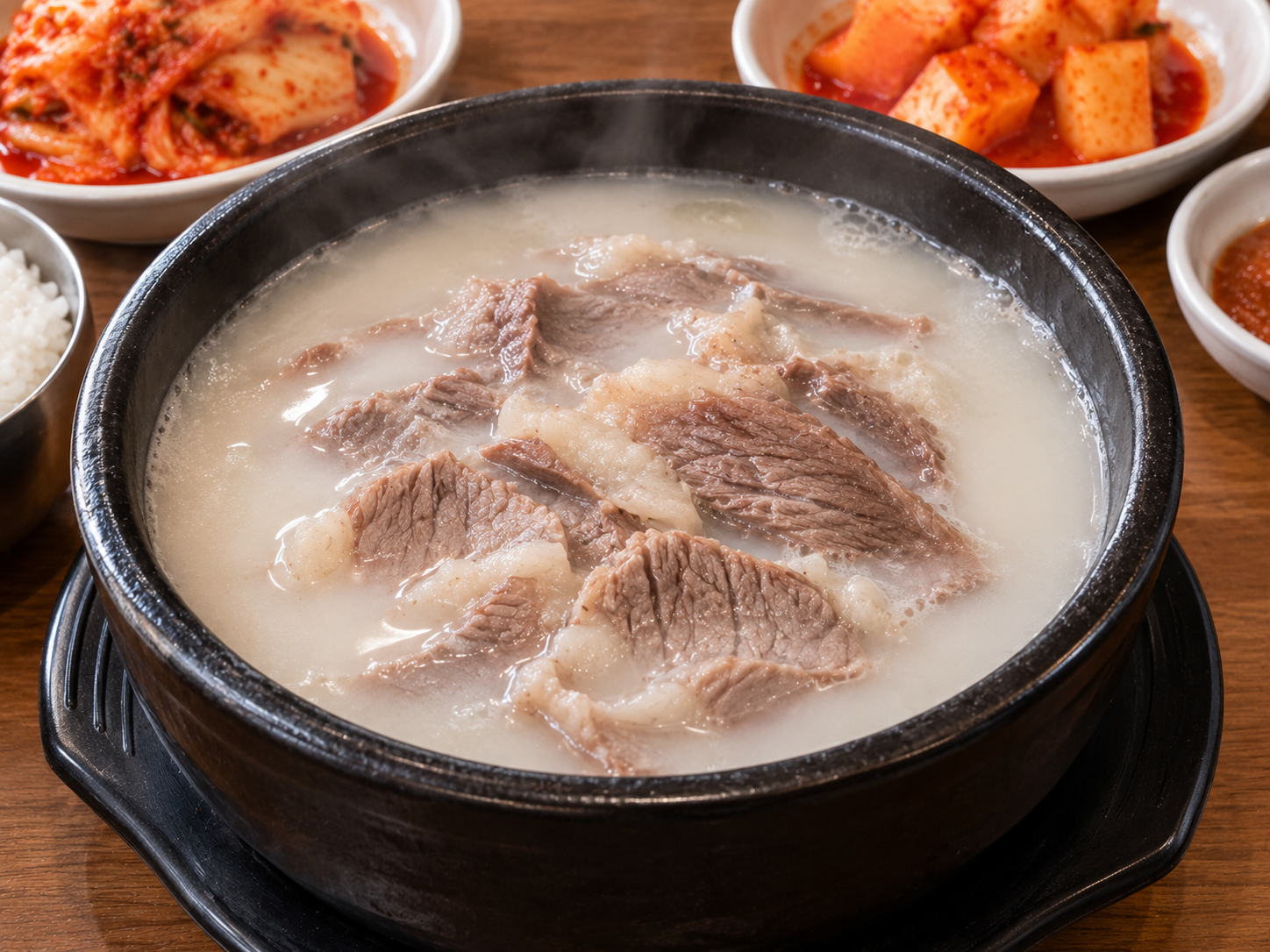 03 LOCAL TABLE
Miseongok is a traditional Korean restaurant in Myeongdong that has been serving Seolleongtang, a slow-cooked Korean beef soup, since 1966. The restaurant keeps its menu remarkably simple, focusing on Seolleongtang and Suyuk, boiled beef served as a separate dish. Its Seolleongtang is known for a clean, savory beef broth rather than an aggressively rich or salty flavor. Thin noodles and generous pieces of beef are served in the soup, making it a complete and comforting meal. For travelers, Miseongok offers a different side of Myeongdong from the busy shopping streets and tourist restaurants. The restaurant has long been part of the everyday food culture of central Seoul and is still visited by local diners as well as international visitors. Its early opening hours also make it particularly useful for travelers looking for a traditional Korean breakfast before exploring Myeongdong, City Hall or Euljiro.
View restaurant04 LOCAL TABLEHadongkwan is one of Seoul's classic destinations for gomtang, a clear Korean beef soup traditionally enjoyed as a hearty but relatively simple meal. Established in 1939, the restaurant has built its reputation around a deeply savory broth made from Korean beef, bones, and various beef cuts. Unlike heavily seasoned soups, Hadongkwan's broth is deliberately restrained, allowing the natural beef flavor to remain at the center. The restaurant is also known for its distinctive ordering system, where the amount of beef in the bowl can be increased through options such as regular, 25 Gong, and 30 Gong. The Myeongdong location is particularly suitable for travelers who want to experience an old Seoul institution rather than a modern Korean restaurant. The menu is extremely focused, so ordering is simple: gomtang is the main choice, while suyuk is available for sharing. It is also an unusually good breakfast option for visitors, opening at 7:00 AM and closing at 4:00 PM. This is a restaurant to visit for the food itself and the long history behind it, rather than for atmosphere, elaborate presentation, or a leisurely dining experience.
View restaurant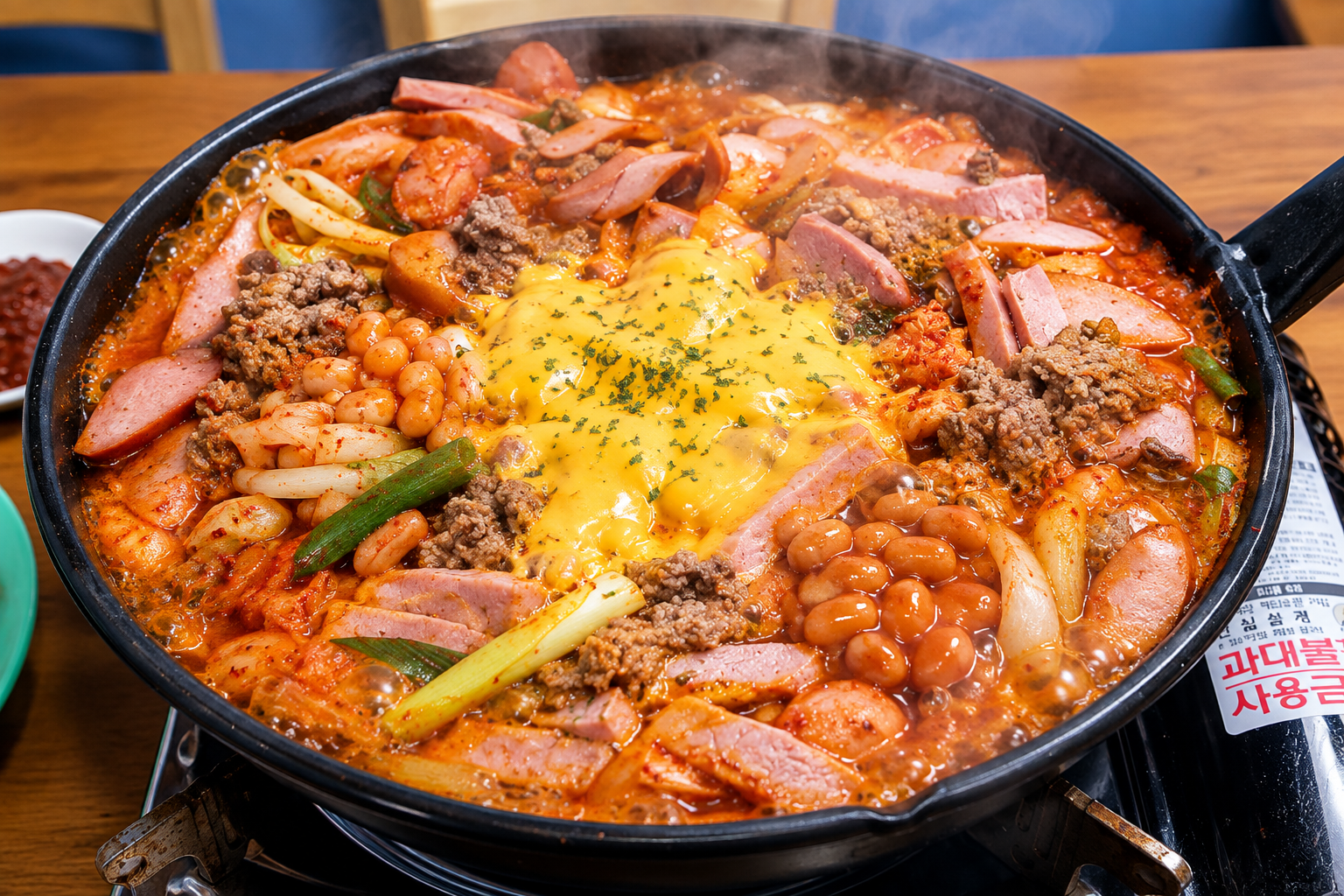 05 LOCAL TABLE
Daega Insaeng Sundubu is a Korean restaurant in Myeongdong centered around sundubu-jjigae, a bubbling Korean soft tofu stew served with rice and side dishes. The restaurant offers a wide range of versions, from the house Insaeng Sundubu with seafood and beef to perilla seed, kimchi and pork, mushroom, seafood, beef brisket, oyster and even mala sundubu. Every sundubu order comes with nutritious stone-pot rice, making it a complete Korean meal rather than simply a bowl of soup. For travelers, the appeal is the variety. You can choose a familiar combination such as seafood or beef, try the house version, or go for something more distinctly Korean such as perilla seed or kimchi and pork sundubu. The restaurant also offers three levels of spiciness, which makes it easier for first-time visitors to enjoy sundubu-jjigae without committing to a very spicy bowl.
View restaurant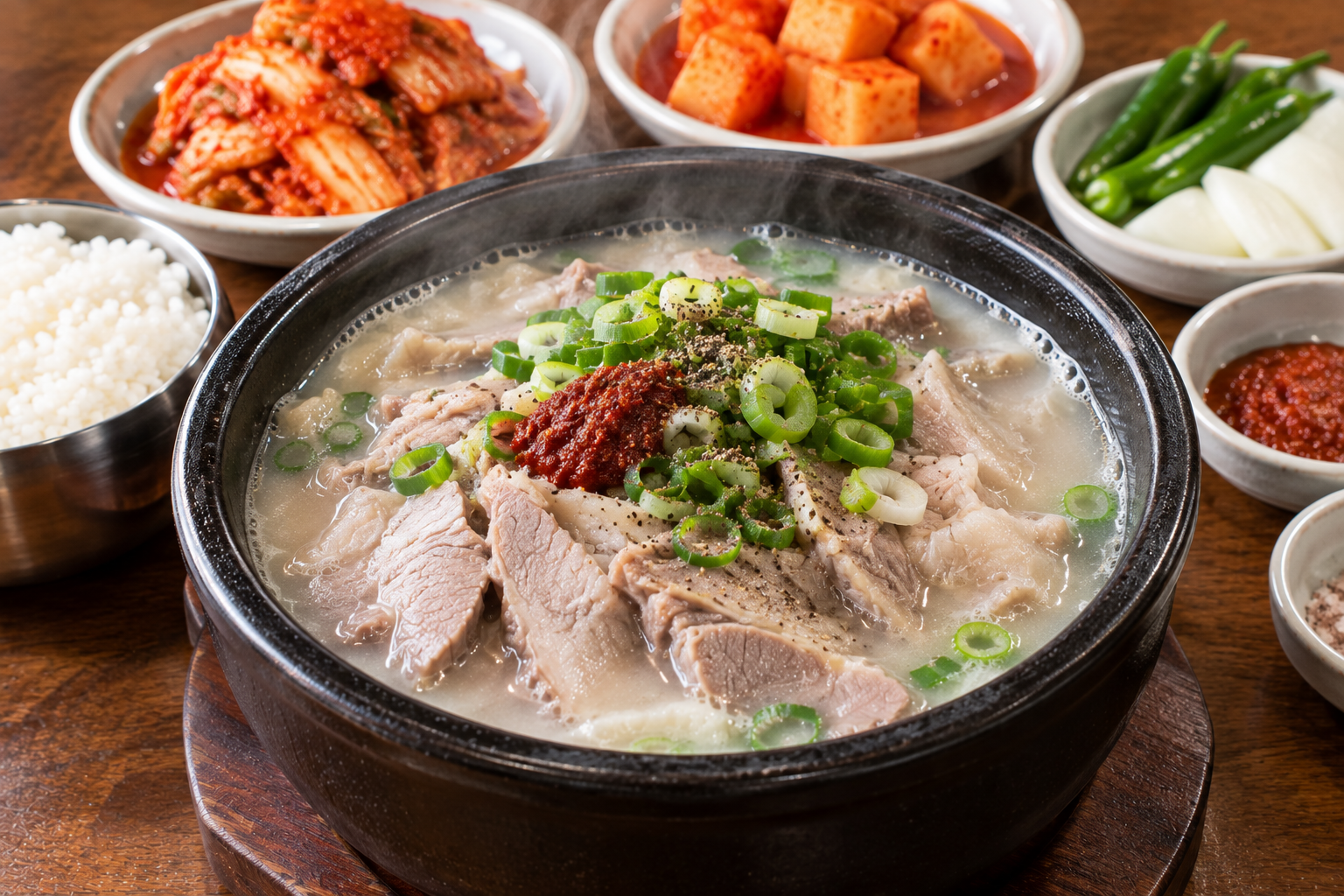 06 LOCAL TABLE
Gukil Sundaeguk is a straightforward neighborhood restaurant in Seogyo-dong, within walking distance of Hongdae. The menu is intentionally small, centered on Sundaeguk, a hot Korean pork soup served with rice, with suyuk and sulguk available when you want something more substantial. A regular bowl is currently around ₩10,000, making it an accessible way to try a traditional Korean gukbap meal without committing to an expensive restaurant. The restaurant has a practical, local character rather than a polished tourist-dining atmosphere. Its weekday-only schedule is also notable in busy Hongdae, suggesting that its customer base has traditionally included nearby workers and residents. It became more widely known after appearing on Sung Si-kyung's “Mukbang Ten”, but the appeal of the restaurant is still its simple bowl of gukbap, generous toppings, and everyday neighborhood setting.
View restaurant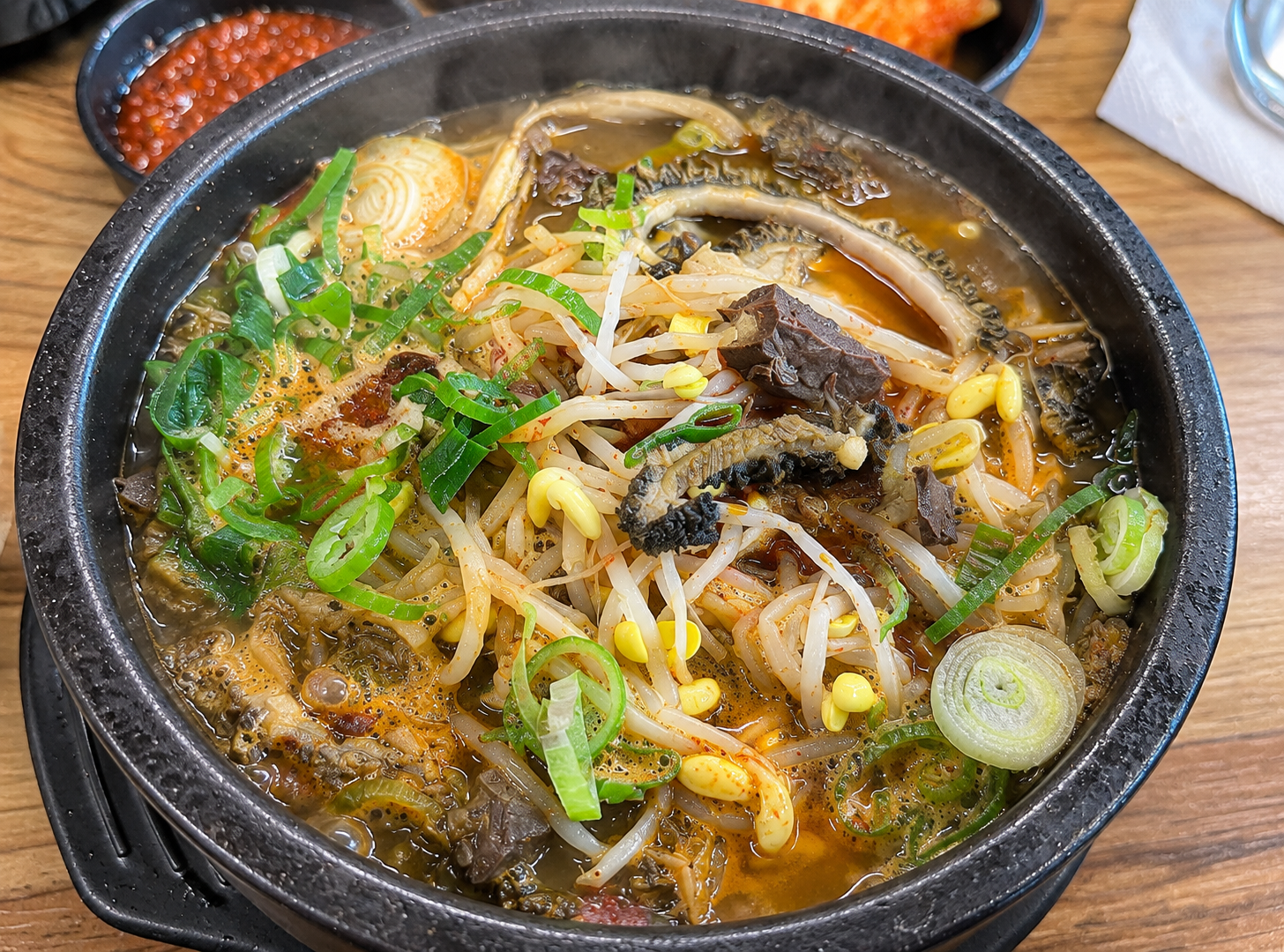 07 LOCAL TABLE
Durumi Haejanggip is a Korean neighborhood restaurant in Seogyo-dong, between Hongdae and Hapjeong. Despite its name, the restaurant is more than a simple hangover-soup spot. Its lunch menu includes Haejangguk at ₩12,000, while the broader menu moves into beef-based dishes, yukhoe, suyuk and hot pots. In the evening, gopchang-jeongol (beef tripe hot pot) and suyuk-jeongol make the restaurant work equally well as a casual Korean drinking spot. The atmosphere is closer to a comfortable Korean neighborhood restaurant than a polished tourist restaurant. Recent visitor accounts describe a busy lunch service and a casual, old-school feel, while the location is convenient for travelers moving between Hongdae, Hapjeong and Yeonnam. It is particularly useful for visitors who want to experience a Korean meal that changes character from a bowl of soup at lunch to shared food and drinks in the evening.
View restaurant08 LOCAL TABLEUijeongbu Budaejjigae is a straightforward Korean stew restaurant in Seogyo-dong, on the western side of the Hongdae area. Its menu is focused almost entirely on Budaejjigae, a bubbling Korean stew made with ham, sausage, vegetables and other ingredients in a savory, slightly spicy broth. The current price is ₩13,000 per serving, with ham, sausage, noodles, glass noodles and rice cake available as additional toppings. The restaurant's appeal is less about polished presentation and more about the way the stew is prepared and served. Recent reviews repeatedly mention the generous ingredients, abundant glass noodles and the owner actively checking the pot and adding broth at the right time. It is the kind of place where you can simply sit back while the stew is brought to the right stage for eating.
View restaurant09 LOCAL TABLEBapjangin Pork Stew is a casual Korean restaurant close to Hongik University Station, specializing in hearty jjigae-style meals served with rice. The menu includes Jjageuri (Pork Stew), pork kimchi jjigae, sundubu-based stews and several set meals. The current Jjageuri and pork kimchi jjigae are ₩11,000, making the restaurant an accessible option for a simple Korean meal around Hongdae. The restaurant is particularly practical for travelers because it works for both solo dining and small groups. Its menu is built around individual portions and combination sets, rather than requiring a large shared order. The location is also very close to Hongik University Station, making it an easy stop while exploring Hongdae or the nearby Yeonnam-dong area.
View restaurant10 LOCAL TABLESeongsu Chalsundae is a neighborhood Korean restaurant near Ttukseom Station specializing in sundae-guk, a hearty Korean soup made with Korean blood sausage, pork, and a rich broth. The menu is simple and focused, with regular sundae-guk and a spicier version as the main individual meals. There are also larger dishes such as sulguk and yukhoe for sharing. This is more of a local everyday restaurant than a polished destination restaurant. The area around Wangsimni-ro 14-gil is quieter than Seongsu's busiest café streets, making it a useful option when you want a straightforward Korean soup meal away from the trendier restaurants. The regular sundae-guk is the easiest choice for a first visit, while the spicy version is available if you prefer a stronger, warmer broth.
View restaurant11 LOCAL TABLEMalbang Gukbap is a Korean beef soup restaurant in Seongsu, serving a Gyeongsang-style beef gukbap made with plenty of Korean beef. The restaurant says its broth is made by simmering beef for more than 48 hours, and the soup is served with beef, radish, and vegetables. The menu goes beyond ordinary gukbap, with yukhoe bibimbap, mungtigi, beef sashimi, beef tendon, and other Korean beef dishes available alongside the main soup. The restaurant has a more traditional neighborhood character than many of Seongsu's newer cafés and restaurants. It is located on Gwangnaru-ro 8-gil, about a 10–15 minute walk from Seongsu Station, and has a larger dining room than its exterior might suggest. For travelers, the regular Korean beef gukbap is the easiest introduction to the restaurant, while the special version gives you more beef without requiring a large shared order.
View restaurant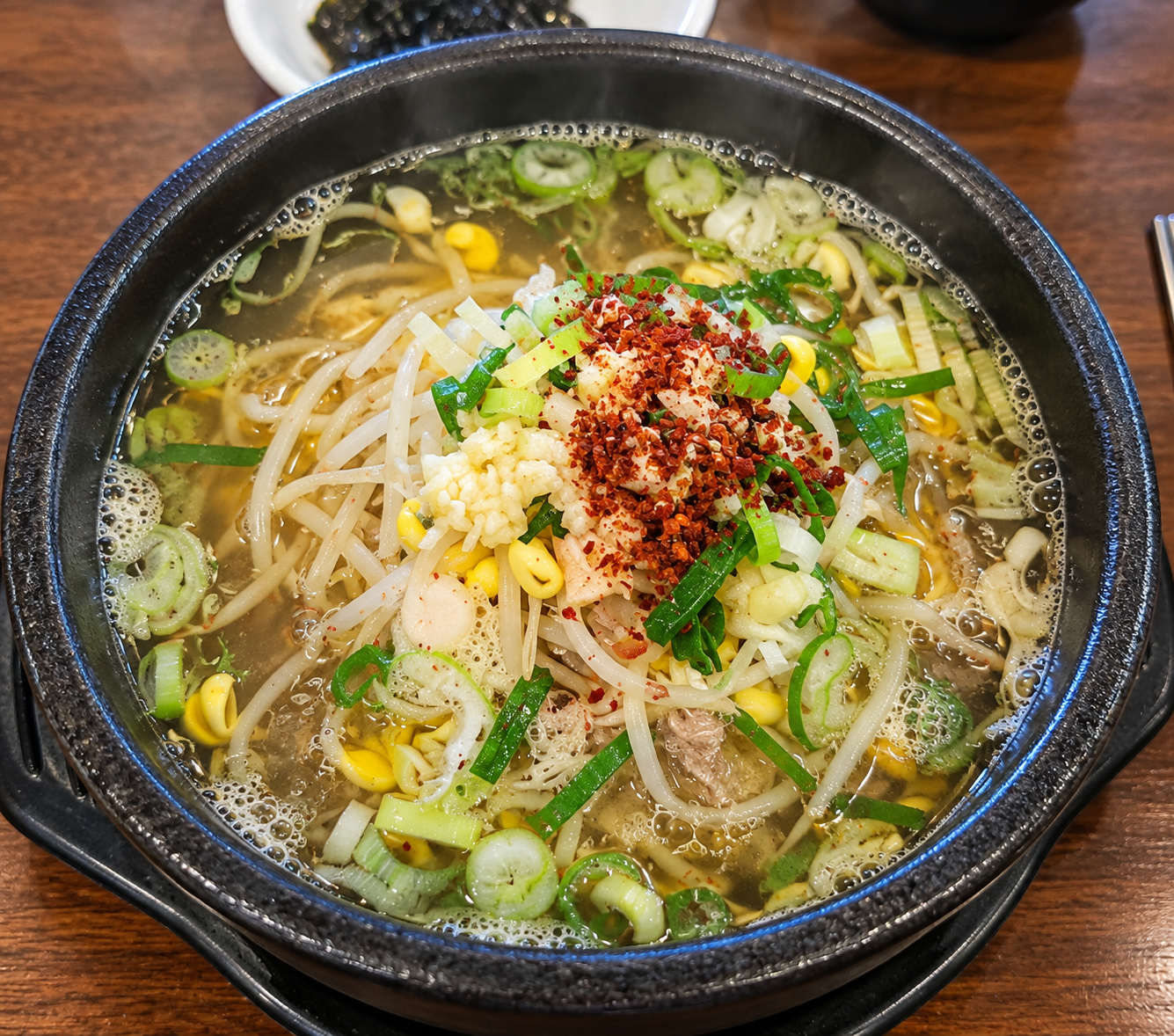 12 LOCAL TABLE
Bisabeol Jeonju Bean Sprout Gukbap is a simple Korean soup restaurant near Seoul Forest and Seongsu, specializing in Jeonju-style bean sprout gukbap. The menu is remarkably focused: bean sprout gukbap and moju, a traditional Korean rice wine drink associated with Jeonju. The soup contains plenty of bean sprouts along with chopped squid and other ingredients, and a soft-boiled egg is served separately so diners can enjoy it in their own way. The restaurant opens from 7:00 in the morning, making it useful for breakfast as well as a simple lunch or late meal. It is close to Seoul Forest and the Seongsu area, but the restaurant itself has a straightforward neighborhood feel rather than a trendy café atmosphere. For travelers, it is an easy introduction to Korean gukbap because there are only two main choices and the regular bowl costs ₩10,000.
View restaurant13 LOCAL TABLEJingukdang Seongsu Gukbap is a casual Korean soup restaurant between Seongsu and Seoul Forest, serving hearty bowls of sundae gukbap and spicy gukbap. The restaurant is particularly suited to travelers looking for a simple Korean meal rather than a trendy café or elaborate dining experience. The signature Jin Sundae Gukbap comes with a rich beef-bone-based broth, sundae and generous pieces of pork, while the Spicy Gukbap offers a deeper, warming flavor with a spicy seasoning base. Recent visitors frequently mention the generous portions and clean-tasting broth. The restaurant has a casual, comfortable interior with counter-style seats that work well for solo diners as well as tables for small groups. A self-service station provides side dishes and seasonings such as kimchi, kkakdugi, chives, salted shrimp and spicy seasoning, allowing diners to adjust the soup to their taste. The restaurant's story is also connected to the owners' grandmother's gukbap, which inspired the recipes served today.
View restaurant14 LOCAL TABLEAnmok Seongsu is a Korean pork gukbap restaurant in Seongsu, serving hearty bowls of pork soup with rice, along with mixed pork gukbap and other pork-based dishes. The restaurant is connected to the Anmok brand that originated in Busan, where the original restaurant has been listed in the MICHELIN Guide. The Seongsu location brings the brand's pork gukbap style into one of Seoul's busiest food and shopping neighborhoods. The main pork gukbap comes with a generous amount of pork in a rich but relatively clean-tasting broth. The mixed gukbap combines different cuts, including head meat and shank, giving the bowl more variety in texture. The restaurant is more polished and spacious than the image of a traditional neighborhood gukbap shop, making it relatively easy for visitors who are trying pork gukbap for the first time.
View restaurant15 LOCAL TABLECheongjinok is a historic Seoul restaurant that has specialized in Korean haejangguk since 1937. Located in Jongno, it is known for a traditional beef-bone broth simmered for many hours with soybean paste, vegetables, beef offal, and seonji, a Korean dish made from coagulated beef blood. The result is a hearty, savory soup served as a complete meal with rice. The restaurant has a long connection with Jongno's old haejangguk dining culture and was designated a Seoul Future Heritage site in 2013. Its main attraction is not an elaborate menu or modern dining experience, but a distinctive bowl of traditional Seoul-style soup. Travelers who enjoy rich broths and are curious about Korean food traditions will find it an interesting stop near Gwanghwamun and Jonggak.
View restaurant16 LOCAL TABLEDaesungjip is a long-established Korean soup restaurant in Jongno, Seoul, best known for its doganitang, a traditional soup made with beef knee cartilage and connective tissue. The dish is valued for its rich, comforting broth and the distinctive soft-yet-chewy texture of the dogani. Unlike many Korean soups built around sliced beef, this dish introduces diners to a different side of Korean food culture: slow-simmered broth and gelatin-rich cuts. The restaurant is located near Dongnimmun Station and the Seodaemun Independence Park area, making it a practical stop for visitors exploring this part of Seoul. Daesungjip has also been featured in the Michelin Guide. Its appeal lies in a focused menu and a traditional Korean soup-house experience rather than elaborate presentation. For travelers who want to try a well-known local specialty beyond barbecue and bibimbap, doganitang is a distinctive choice.
View restaurant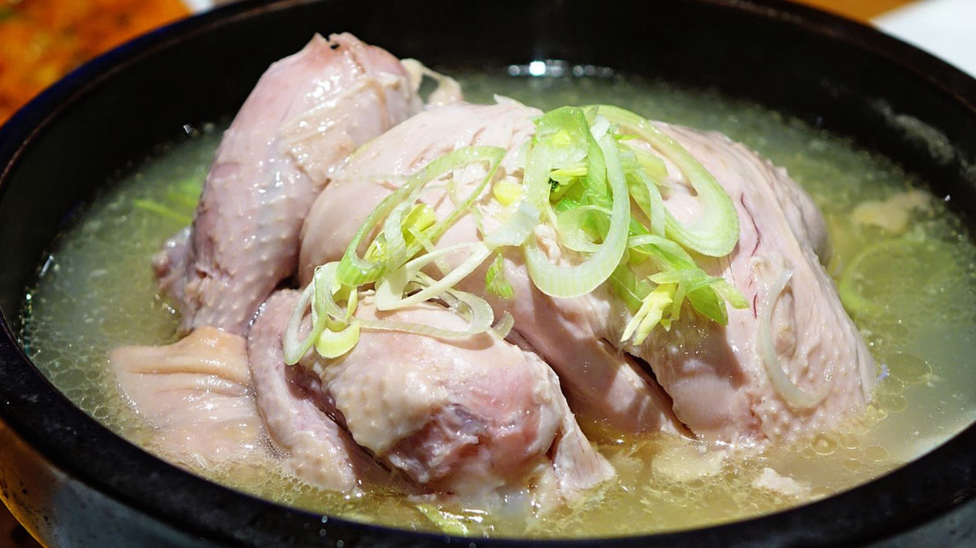 17 LOCAL TABLE
Tosokchon Samgyetang is one of Seoul’s best-known restaurants specializing in samgyetang, a traditional Korean ginseng chicken soup. Located near Gyeongbokgung Palace, the restaurant occupies a group of traditional-style hanok buildings, offering visitors a chance to enjoy a classic Korean meal in a distinctive setting. The soup is prepared with a whole young chicken, glutinous rice, ginseng, jujube, and a variety of nuts and seeds. Operating since 1983, Tosokchon has become a familiar stop for both Korean diners and international visitors exploring the palace district. Its main attraction is the hearty chicken soup and traditional Korean food experience rather than fine dining. Because of its popularity, queues can form around lunchtime, particularly during summer when samgyetang is traditionally eaten to help people cope with the heat.
View restaurant18 LOCAL TABLEJangsu Samgyetang is a traditional Korean restaurant in the basement of the Seoktan Hoegwan Building in Susong-dong, Jongno. It specializes in samgyetang, a nourishing chicken soup made by simmering a whole young chicken with glutinous rice, ginseng, and other aromatic ingredients. The restaurant also offers half-chicken portions and variations featuring ingredients such as oyster, medicinal herbs, or antler. Located in the office district around Jonggak and Gwanghwamun, it is a practical choice for visitors looking for a traditional Korean lunch away from the more tourist-oriented restaurants around major palaces. Its range of soup options makes it possible to choose between a smaller meal and a full serving of chicken soup.
View restaurant19 LOCAL TABLEJangsu Samgyetang’s Nakwon branch is a Korean soup restaurant in the lively Jongno area of central Seoul. Its specialty is samgyetang, a traditional dish made by simmering a young whole chicken with glutinous rice, ginseng, and other ingredients. The menu also includes half-portion chicken soup and herbal variations, giving diners options depending on their appetite and preferred flavor. Located on the second floor of Nakwon Building, the restaurant is convenient for visitors exploring Jongno 3-ga, Ikseon-dong, and nearby traditional shopping streets. It offers a straightforward way to experience a classic Korean nourishing soup in a neighborhood frequented by local diners.
View restaurant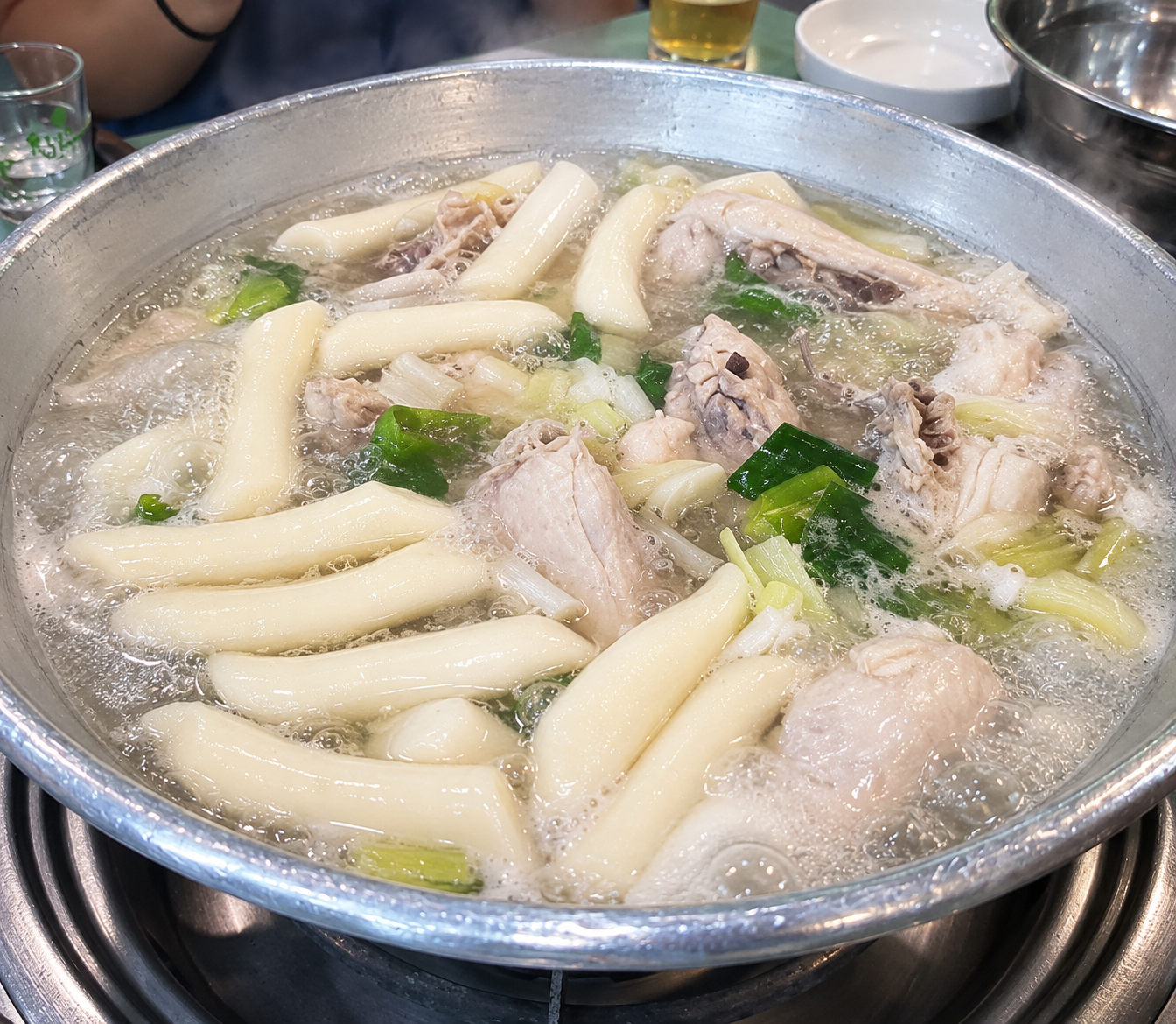 20 LOCAL TABLE
Baekbujangjip Dakhanmari Main Branch is a Korean chicken restaurant in Gongpyeong-dong, Jongno, near Jonggak Station. It specializes in dakhanmari, a traditional dish featuring a whole chicken simmered in broth with vegetables and rice cakes. The restaurant also serves dakbokkeumtang, a spicy braised chicken dish. Its menu offers a choice between a mild chicken soup meal and a more strongly seasoned chicken dish, making it suitable for different dining preferences. Located in central Seoul's office district, the restaurant is a familiar Korean dining option for workers and visitors exploring Jongno.
View restaurant21 LOCAL TABLESongane Dakhanmari specializes in dakhanmari, a traditional Korean dish in which a whole chicken is simmered in broth at the table. The restaurant is located in the Sinseol-dong area of Jongno, Seoul. The broth is known for its generous garlic flavor. Diners can enjoy the chicken with a dipping sauce and finish the meal with noodles or porridge added to the remaining broth.
View restaurant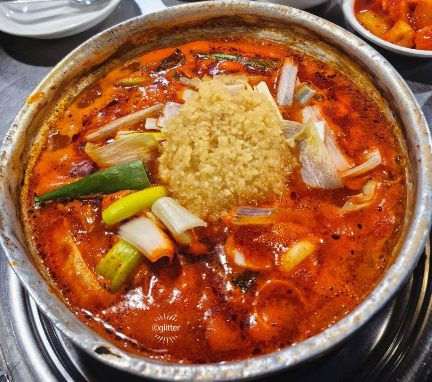 22 LOCAL TABLE
The restaurant is known for its traditional Korean dakdoritang, a spicy braised chicken dish served in a bubbling pot. Its signature style emphasizes garlic, chili, and a hearty broth rather than elaborate presentation. Located in the Jongno 3-ga area, the original branch has a casual, old-fashioned dining atmosphere. It is a familiar stop for people looking for a traditional Korean chicken stew in central Seoul.
View restaurant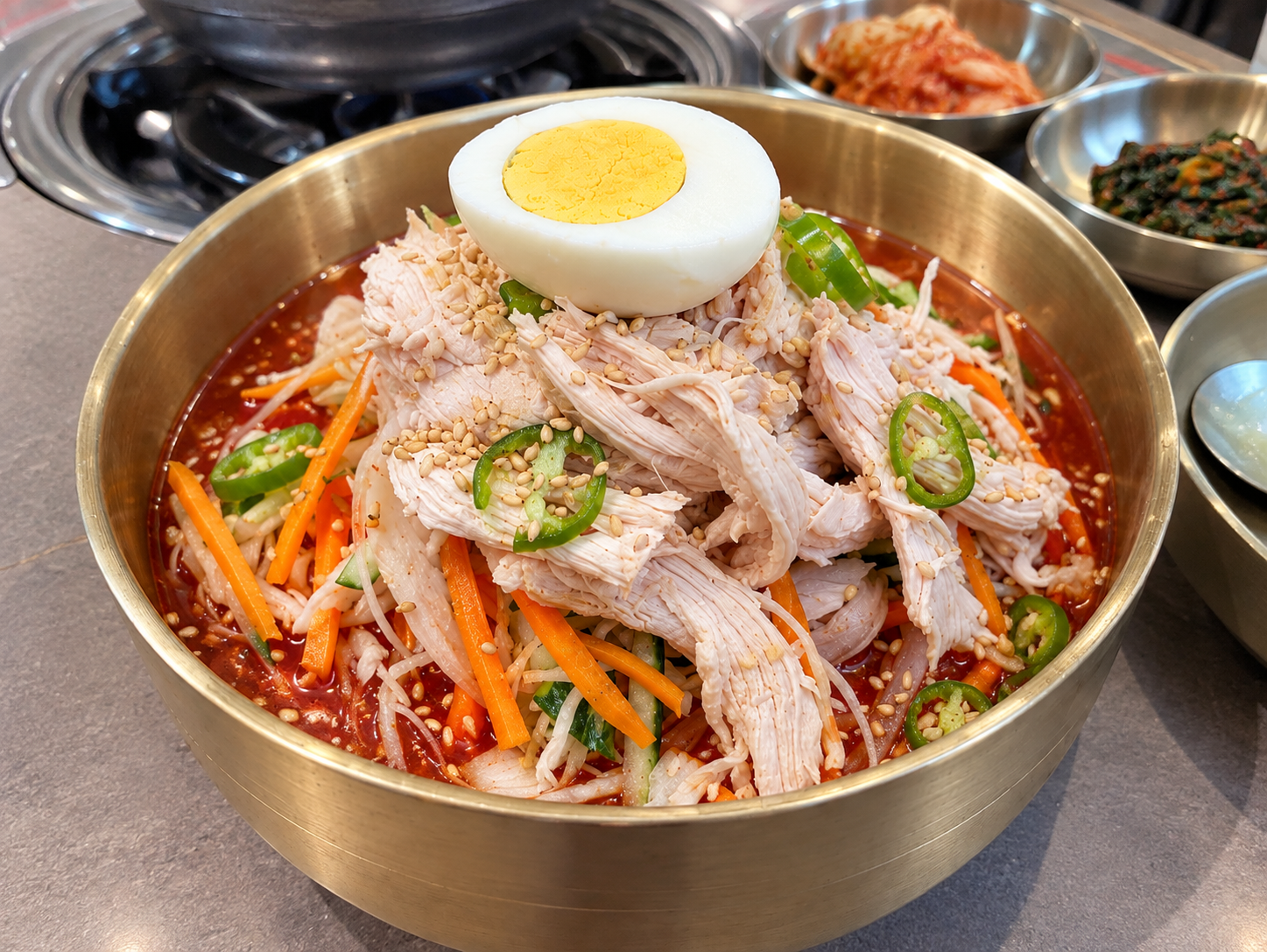 23 LOCAL TABLE
Cheonsang-Gye specializes in Korean chicken dishes, with dakmaeuntang as its signature shared stew. The restaurant also offers chicken soup and noodle dishes, making it suitable for both individual meals and group dining. Located on the second floor in the Euljiro area, its menu includes hot chicken soup, cold chicken noodles, and side dishes such as seasoned chicken and buckwheat pancakes.
View restaurant24 LOCAL TABLEJongno Gyerim Dakdoritang is a Korean restaurant brand known for its signature garlic-rich dakdoritang, a spicy braised chicken stew cooked in a flavorful broth. The brand originated in Jongno, Seoul, and has become known for its distinctive approach to this much-loved Korean comfort food. Rather than serving a dry, heavily reduced sauce, the dish features a generous amount of garlic and a spicy broth that allows the chicken and vegetables to simmer together, creating a hearty and satisfying meal. The restaurant is a good option for visitors who want to experience a traditional Korean chicken dish with bold flavors. Dakdoritang is commonly shared around the table, making it suitable for meals with family, friends, or colleagues. Diners can enjoy the stew on its own or add ramen noodles to the broth for an extra filling finish. The Wangsimni branch has recently moved to a new location on Majang-ro in Seongdong-gu. As the relocation is very recent, some online information may still reflect the restaurant's previous location.
View restaurant25 LOCAL TABLEJongno Gyerim Dakdoritang Chungmuro Direct Branch specializes in dakdoritang, a popular Korean dish in which chicken is simmered with vegetables in a spicy, seasoned broth. Its defining feature is the generous amount of minced garlic added to the stew, giving the broth a pronounced garlic aroma and a robust, savory flavor. The restaurant follows the style associated with Gyerim Sikdang, which began in Jongno in 1965. Rather than being served as individual portions, dakdoritang is typically cooked and shared at the table, making it a natural choice for a meal with friends, family, or coworkers. The menu also offers add-ons such as noodles and rice cakes, allowing diners to customize the meal as the broth develops in flavor. Located in the Chungmuro area of central Seoul, the restaurant can be a convenient stop for visitors exploring nearby Myeongdong and other parts of the city's downtown. It is particularly suitable for travelers who want to try a hearty Korean chicken dish with a spicy broth rather than a dry stir-fried preparation.
View restaurantPLAN THE MEAL
Browse the areas and cities where this food is currently represented in the guide.
TABLE GUIDANCE